By
By 
If you’re thinking about selling your scrap car, you might be wondering where to start. Scrap car removal can be an overwhelming process, but it doesn’t have to be. In this guide, we’ll cover fifteen essential things you should know to make your experience smooth and hassle-free.
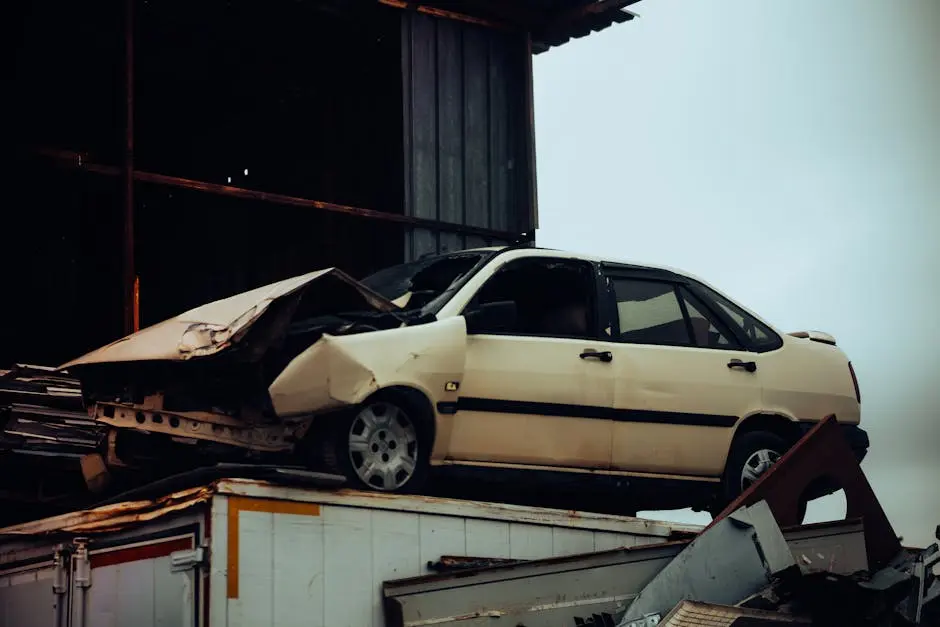
1. Understanding the Value of Your Scrap Car
Before you sell your scrap car, it’s crucial to understand what elements contribute to its value. Factors such as metal composition, vehicle weight, and market demand play significant roles. The metal components, like steel and aluminum, are highly sought after in the recycling market. Vehicles with heavier construction may provide more raw material, thus commanding a higher price from scrap dealers. Additionally, market conditions, such as the current demand for scrap metal, can affect the price you receive. By understanding these factors, you can better assess offers from potential buyers and ensure you’re getting a fair price.
In some cases, specific car parts might hold extra value. For instance, the catalytic converter and engine components can be quite valuable due to the rare metals they contain. If you’re savvy about car mechanics, doing a deeper evaluation of these parts might give you an opportunity to negotiate a better deal. Knowing intricate details about your vehicle can also shield you from being misled by potential buyers. Sometimes, parts can be more valuable than the car’s weight alone, so weigh your options carefully.
2. The Role of Car Condition
A car’s condition can impact its scrap value significantly. Even if a car is not roadworthy, valuable parts can increase the price you’re offered. A well-maintained vehicle can yield more money since usable components such as tires, wheels, and electronics can be salvaged. You might want to take special note of any upgrades or enhancements you had installed over the years, as these often carry extra value. It’s prudent to be aware of how much these features can contribute to your overall offer, whereas rusted or incomplete vehicles may offer less return.
3. Local Regulations and Requirements
Every area has its own set of rules regarding scrap car removal. Ensure you’re familiar with local regulations to avoid any legal hassles. Some jurisdictions require specific documentation, like a notarized affidavit of ownership or disposal report. Neglecting these regulations can lead to fines or even legal action, so double-check what’s needed in your area. Local environmental laws may also influence how cars are scrapped, often requiring proof of proper disposal. This can have a ripple effect on your choice of scrap yard, as compliance with these rules is mandatory.
Apart from regulating the process, being aware of local ordinances also exposes scam operations that lure sellers with seemingly high offers. If a dealer is unwilling to follow local laws or pressures you to proceed quickly with minimal paperwork, consider these red flags. You can verify any scrap yard’s legitimacy through local government resources or consumer protection agencies. This research ensures that you’re aligning with a reputable dealer who acts in accordance with the law.
4. Choosing the Right Scrap Dealer
Not all scrap dealers are created equal. Look for reputable dealers who provide transparent pricing and reliable services. Start by checking reviews from other sellers and see if there are frequent complaints or praises about specific dealers. Visiting their facility can also provide clues about their professionalism and operations. For instance, a well-organized scrap yard likely maintains excellent records and follows environmental standards rigorously. Inquire about their weighing practices to ensure accuracy and fairness.
Ask the dealer for a clear breakdown of the price they’re offering for your scrap car. Some scrap yards include services like free towing, while others might offer better rates for you to drop off the vehicle yourself. Transparency about these details is crucial to prevent any hidden fees that could reduce your payout. Dealer integrity and communication are critical criteria in deciding where to sell your car for scrap.
5. Environmental Considerations
Responsible disposal of your vehicle is essential. Check if the dealer follows environmentally-friendly practices for recycling and waste management. Proper recycling involves removing hazardous waste such as oil, gasoline, antifreeze, and refrigerants as part of the scrapping process. These fluids need to be disposed of responsibly so they don’t contaminate the environment. When negotiating with a dealer, inquire about their environmental practices and whether they comply with regulatory standards.
Some scrap yards may partner with eco-friendly programs or environmental initiatives, often allowing you to contribute to sustainable causes through your scrapped vehicle. Knowing your old car can be repurposed into new materials or parts can transform the scrapping process from a mundane sale into a positive contribution to environmental preservation. This consideration can influence your choice of dealer, aligning your personal values with business practice.
6. Understanding the Paperwork
Ensure that all required documentation is ready, including proof of ownership and any other necessary paperwork. The vehicle title is crucial, proving your legal right to sell the car. Without this, you might encounter difficulty finalizing the transaction. Some regions may require additional forms, like a release of liability or bill of sale, which confirms the transfer of ownership and releases you from future responsibility. Double-checking these documents before engaging with a buyer can save you a significant amount of time and trouble.
7. Deciding on Pickup or Drop-off
Consider whether you want the dealer to pick up your car or if you’re willing to drop it off yourself, as this could affect the removal cost. Many scrap dealers offer free towing services, which can save you the hassle of organizing transportation. However, some might offer higher payment if you bring the car to their location, thereby reducing their logistical expenses. Weigh the convenience against potential extra earnings in deciding what works best for you.
8. Calculating Removal Costs
Understand any potential fees associated with the removal process to better gauge the total value of your transaction. Some dealers might charge for towing, especially if your vehicle isn’t easily accessible, like from a rural location or with additional structural damage. Be upfront about your vehicle’s location and condition to avoid unexpected fees. Knowing these costs lets you adjust expectations and negotiations, ensuring you get a fair deal despite removal expenses.
9. Timing Your Sale
Market conditions can fluctuate; knowing when to sell your scrap car can impact your financial return. Keep an eye on scrap metal prices, which tend to vary with market demands and economic conditions. Reaching out to local dealers can help you get insights into current trends, allowing you to time your sale when prices are more favorable. Websites and industry resources can also provide updates on market dynamics. Selling during peak demand periods often results in better offers, bolstering your revenue from scrapping.
10. Preparing Your Car for Sale
Remove all personal belongings and any non-metal parts if willing. This might increase the car’s scrap value since scrap yards focus on raw materials. Double-check the interior, trunk, and glove compartment to ensure you’ve retrieved valuable items like electronics, documents, and spare change. Simple tasks like cleaning your car can also help in leaving a positive impression. Moreover, if you have the technical capability or seek professional help, you might remove parts like sound systems or batteries that can attract private sale offers, increasing your overall return.
11. Getting Multiple Quotes
Obtaining multiple quotes from different dealers can ensure you’re getting the best possible deal for your scrap car. Not all dealers evaluate vehicles with the same criteria, resulting in varied offers. Differences could come from specific salvage components’ interest or their profit margins. Reach out to dealers both in-person and online for a wide range of estimates. Evaluating these quotes ensures fairness in your final decision, avoiding underpayments and driving a more favorable transaction that aligns with your expectations.
12. Secure Transactions Online
If conducting any part of the sale online, ensure the platforms you use are secure to protect your financial and personal information. Online portals can facilitate quotes and negotiations but might expose you to risks without proper diligence. Verify the site’s reputation, read reviews, and check certifications that confirm its safety. Creating strong, unique passwords provides an extra security layer against unauthorized access. Always be cautious of sending sensitive data via unsecured networks, retaining awareness for potential online scams targeting sellers.
13. Understanding Weight and Pricing
The weight of your car significantly impacts its scrap value. Dealers often pay by the ton, so heavier cars could yield higher returns. Understanding this factor empowers you to connect vehicle characteristics with their lucrative potential. Weigh your car personally or inquire with the dealer to accurately gauge its market worth. Combining both weight and the value of parts for a complete evaluation prevents surprises during final pricing negotiations. This crucial insight maximizes your benefits from every sale initiative.
14. Communicating Clearly with Dealers
Clear communication with the scrap dealer can prevent misunderstandings and ensure a smooth transaction. Begin by explaining your vehicle’s details accurately, including any damage and enhancements. Transparent conversations build trust, reducing possible misinterpretations that could lead to price adjustments. Active dialogue, asking questions and confirming terms, fortifies the buying process. A well-informed approach clarifies responsibilities, maintains buyer interest, and shapes offer satisfaction across all transaction milestones.
15. Reviewing Dealer Terms
Scrutinize the terms and conditions offered by the dealer to understand the full scope of the transaction and any additional fees. Reading contracts thoroughly helps demystify obligations on both sides, bridging expectations before signing. Look out for hidden costs disguised as service fees or additional charges for what seems like standard procedures. Consulting with someone knowledgeable about contracts if you’re unsure enhances your ability to perceive inconsistencies. This vigilant examination secures a positive, transparent deal, warranting control over unaccounted transactions.