By
By 
Got a clunker taking up space in your driveway? Afraid that the process of selling it might be too complicated? Worry not! In this guide, we’ll walk you through the simple steps to turn that junk car into cash, making the process as smooth as a drive on a sunny day.
Assessing the Value of Your Junk Car
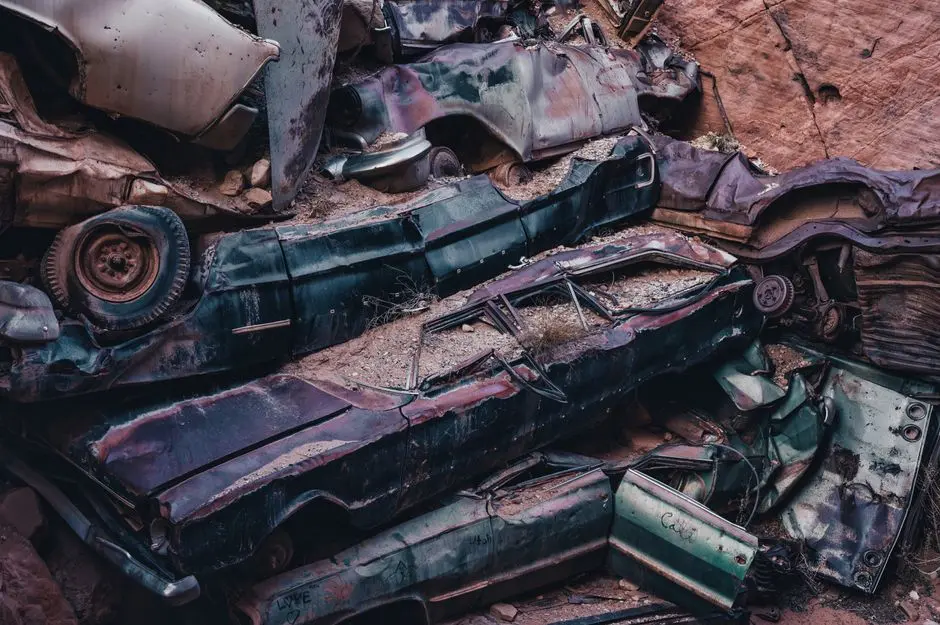
The first step is understanding what your junk car is worth. Factors to consider include its make, model, year, condition, and any working parts that could increase its value. This assessment will help you set realistic expectations for potential buyers. Remember, older models or those with rare parts may fetch a higher price due to part scarcity.
In some cases, the history of the car might also play a role in its valuation. For instance, cars that have been well-maintained and have a clear service history often have an edge. Additionally, certain models that have a cult following might be more appealing to collectors even when they’re not in the best condition.
A quick search online can provide you with insights into typical asking prices for similar vehicles. Websites that specialize in vehicle transactions can be invaluable in providing you with a baseline estimate. Engaging in this simple research can save you from underselling and help in setting a realistic selling point.
Gathering Necessary Paperwork
Having the right paperwork can make the selling process much smoother. Find the car title and any service records, as they will help in proving ownership and the car’s history to the buyers. It’s also beneficial to prepare a bill of sale, which serves as evidence of the transaction between you and the buyer.
If you’ve misplaced your title, don’t panic. You can usually obtain a replacement from your local Department of Motor Vehicles. Keep in mind that different buyers, such as salvage yards or private purchasers, have varying documentation requirements, so it’s wise to inquire in advance and ensure you have everything in order.
Exploring Different Selling Options
Decide how you’d like to sell your car. Options include selling to a junkyard, a private buyer, or leveraging online platforms. Each method has its benefits, so choose one that aligns with your needs and priorities. For example, junkyards often offer quick and hassle-free transactions, while private buyers may require more time but could potentially offer a higher price.
Online platforms have surged in popularity, offering convenience and a broad audience reach. These platforms provide an opportunity to showcase your vehicle with detailed descriptions and photos, which can attract interested buyers swiftly. However, they do necessitate caution; be aware of scams and always verify the legitimacy of interested parties.
Another option could be trade-in deals if you plan on purchasing another car. Car dealerships at times accept old vehicles that still have some life left in them as a trade-in, which could benefit you with an immediate discount on your next purchase.
Preparing Your Car for Sale
Even old cars benefit from a little prep work. Clean your car, remove any personal items, and consider minor repairs if they add value. A little effort can sometimes go a long way in negotiation. This might include vacuuming the interior, washing the exterior, and ensuring that all lights and essential systems are functioning at baseline levels.
You might also think about addressing any apparent cosmetic damage, such as dents or deep scratches. While you wouldn’t want to invest heavily in repairs, small changes can boost appeal and may, accordingly, increase offers. Creating a lasting first impression never goes out of style, and prospective buyers are often swayed by a car that looks well-cared for, even if it’s intended to be scrapped for parts.
Negotiating the Best Deal
Once you have a potential buyer, it’s time to negotiate. Be upfront about the car’s condition, and use your research to guide your negotiations. Aim to reach a fair price that satisfies both parties. Transparency builds trust and can often result in a faster sale.
Arming yourself with knowledge is crucial. Know the car’s worth, and don’t be afraid to confidently communicate the value remaining in the vehicle, whether it’s the parts or the duration left in registration. Understanding common negotiation strategies can be beneficial in ensuring you don’t leave money on the table.
If the first few offers aren’t to your liking, don’t worry—patience can be a virtue when it comes to selling a vehicle. Hold out for a fair offer that aligns with the effort and research you’ve invested.
Finalizing the Transaction
When you’ve agreed on a price, complete the sale by signing the necessary documents and arranging payment. It’s also wise to ensure the cancellation of insurance and registration, ensuring a clean transfer of ownership. Notifying the DMV of the sale is typically required and can prevent any future liabilities if the car ends up involved in any misdeeds.
Secure payment in a form that is safe and verifiable, such as a certified check or electronic transfer. Avoid cash-only transactions, which, although straightforward, can lack the protection and traceability of other payment methods. Once the formalities are out of the way, you can confidently enjoy the newfound space and financial boost your junk car has provided!
Turning Clunkers into Cash with Confidence
Selling your junk car doesn’t have to be a daunting process. By following these steps, you’ll not only free up space but also put some cash in your pocket. Remember, the key is to research, prepare well, and choose a reliable buyer. With these tips, you’re all set to bid farewell to your old car and welcome the extra earnings! For more guidance, visit Home.