By
By 
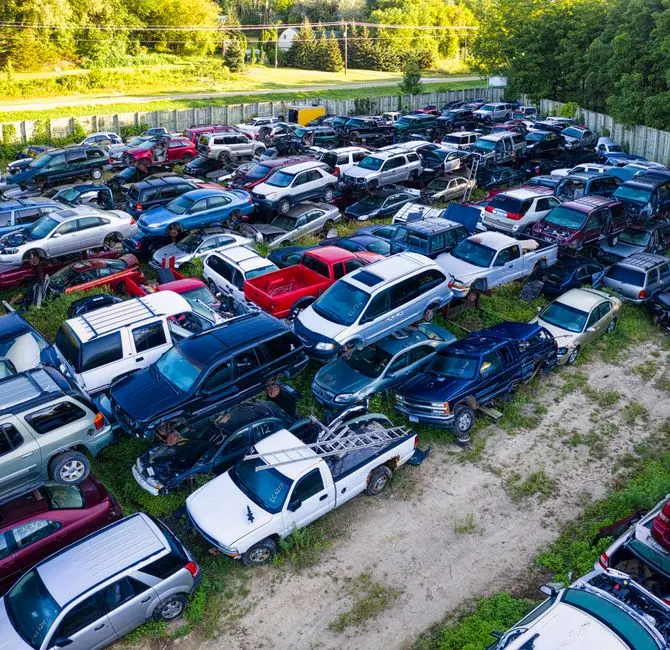
Hauling away your old junk car can feel like a daunting task, but it doesn’t have to be. Whether you’re dealing with a cherished old ride or just want to clear out some space, these tips will help make the process smooth and hassle-free. Here’s how to navigate junk car hauling in New Jersey with ease.
1. Assessing the Condition of Your Car
Understanding the current state of your vehicle is crucial before arranging for removal. It helps in determining the value and who might be interested in taking it off your hands. Start by checking whether the car still runs or if it’s completely out of commission. A running vehicle often commands a better price, even when destined for junking. Inspect for any noticeable damages or missing parts, as these can significantly influence what you can expect to receive from a junk car removal service. Also, evaluate the car’s interior condition, and don’t forget its tires’ state, as they are factors many buyers consider.
If you’re not particularly car-savvy, consider getting a mechanic’s opinion to provide a more detailed assessment. They can uncover hidden issues or affirm that your old vehicle still has some life left in it. Additionally, knowing the fair market conditions for scrap materials in New Jersey can help you better gauge what you might receive in return. Many cars have value through parts or recyclable materials, so exploring these avenues beforehand can be painstakingly rewarding in the end.
2. Gathering Essential Documents
Make sure you have all the necessary paperwork, like the title and registration. Not only does this smooth the process, but it can also help you fetch a better price, if applicable. The car title transfers the ownership legally, and you should ensure it’s correctly signed to avoid any hassles. Without a title, you might find it challenging to prove ownership, which could lower the car’s perceived value or even stall the entire process.
Find out if you need additional documents such as a bill of sale, particularly if the car is being sold across state lines or to individual buyers. Some services might request specific forms to be filled as part of the process, so it’s always good to inquire beforehand. A thorough check can save a lot of time and unnecessary stress later when the junk car removal takes place. This document preparation phase also acts as a nice segue to tidy up any past paperwork you may have; getting rid of scans or old registrations that no longer serve a purpose.
3. Researching Local Junk Car Removal Services
A little research goes a long way. Look for reputable junk car removal services in New Jersey to ensure you’re getting the best deal and service. Scour reviews and ratings of local providers, as these comments from previous customers can give genuine insights into their business practices. Don’t forget to check if they are legally compliant with state regulations.
Investigate companies that offer convenient services like free towing. Many junk car buyers provide such perks to stay competitive in New Jersey, saving you from additional costs or logistical headaches. You can quickly compare quotes from multiple buyers to identify which offers the most competitive assessment. While price is important, prioritize businesses known for integrity and customer service to avoid shady dealings that might complicate or prolong the process unnecessarily.
4. Understanding the Value of Your Vehicle
Even junk cars can have value. Understanding what your car is worth can help in negotiations and ensure you’re not selling yourself short. Factors such as make, model, year, and condition significantly affect valuation. Often, buyers are interested in selling the car for parts rather than evaluating it based on its ability to function as a whole vehicle. Knowing specific parts that are in high demand, such as catalytic converters or intact engines, can provide an edge during discussions.
Leverage online valuation tools to get an initial estimate, or connect with local auto parts stores to glimpse the market for some parts. Resources like Edmunds offer valuations based on various parameters, which could come in handy for a comprehensive understanding of your car’s value. After going through your research, you’ll likely enter negotiations confidently, understanding your vehicle’s worth well enough to convince potential buyers to offer a fair price.
5. Preparing Your Car for Pickup
Remove personal belongings and ensure any valuables are taken out. It’s surprising how often people leave important items in their old cars! Start by emptying out any compartments, like the glove box or under-seat storage areas, where bits and bobs can often hide away unnoticed. Check the trunk and other parts where you might have stored emergency items or travel essentials.
6. Scheduling a Convenient Pickup Time
Choose a time that fits your schedule and ensures you’re available to oversee the process, addressing any last-minute questions or issues that might arise. Try to select a time during daylight hours to allow for a smoother transaction, as visibility is crucial both for logistic coordination and ensuring safe loading conditions. Keep the weather in mind when arranging the pickup, as severe conditions can add unnecessary challenges to an otherwise straightforward process.
7. Communicating Clearly with the Service Provider
Good communication can prevent misunderstandings. Make sure you and the junk car service are on the same page regarding details of the pickup and any costs involved. Discuss any potential charges beforehand, as some services may include fees for costs like labor or fuel. Confirm details such as pickup date, expected arrival time, and who will be handling the transaction directly to avoid later miscommunications.
8. Handling Final Transactions Wisely
Whether you’re getting paid or just disposing of the vehicle, ensure that all transactions are handled clearly and professionally. Keep records for your peace of mind. If a cash payment is involved, request documentation or a receipt from the buyer that confirms the sale’s specifics, including agreed price, date, and parties involved. Having a paper trail can protect you should concerns arise post-sale.
9. Knowing the Legal Implications
Be aware of any legal considerations, like transferring the title correctly to avoid future liability. A smooth transfer means one less thing to worry about later. Reach out to New Jersey’s Department of Motor Vehicles to inquire about any other regulatory requirements after a vehicle is sold, like filing a Notice of Vehicle Sale, to ensure your tracks are unequivocally clear.
10. Considering Environmental Impact
Responsible junk car hauling also means considering the environment. Opt for services that recycle materials and minimize waste whenever possible. Seek removal companies keen on keeping practices environmentally friendly—ask them about their recycling procedures and how they process the materials retrieved from your vehicle. Environment-conscious choices not only contribute positively but are also increasingly becoming prioritized in the recycling and automotive disposal industry for sustainability.