By
By 
Towing away a junk car can be a daunting task, but it doesn’t have to be. With the right approach, you can make this experience smooth and stress-free. In this guide, we’ll explore simple steps to maximize your junk car towing experience, ensuring you get the most value out of that old vehicle.
1. Assess the Condition of Your Vehicle
Before starting the towing process, it’s essential to know exactly what you’re dealing with. Take a thorough look at your car to determine its condition, which will help set realistic expectations for its value. A thorough assessment might uncover whether your car can be sold for parts or whether it would be better suited for scrap metal. Often, older vehicles have parts like engines, transmissions, or catalytic converters that can be valuable on their own. Understanding these intricacies can heavily influence your decision-making process. If you’re unsure about how to conduct a proper assessment, consider consulting an experienced mechanic or friend who has a good grasp on vehicle conditions.
2. Research Junk Car Towing Services
Not all towing services are created equal. Spend some time researching to find a reputable company with good reviews. This ensures that you are working with professionals who will make the process hassle-free. Check local directories and online reviews to get a sense of the best service providers in your area. Customer testimonials can be incredibly revealing, providing insights into past experiences others have had with the company. For example, it’s a good practice to verify that the company offers insurance coverage during towing, which protects against any potential damage incurred during transportation. Taking these extra precautions now can save you unwanted headaches later.
Moreover, reputable services often provide free quotes, which are beneficial when comparing different offerings. A little preliminary research could also reveal special deals or promotions the company might be offering, potentially saving you money. Also, ask if they handle all the necessary paperwork for you, which can significantly simplify the process.
3. Gather Necessary Documentation
Having your paperwork in order can save you a lot of headaches. Make sure you have the vehicle’s title, registration, and any other essential documents to avoid any roadblocks during the towing process. If the title has gone missing, you’ll need to visit your local Department of Motor Vehicles (DMV) to obtain a duplicate. It’s a step that may seem cumbersome but is legally necessary for the transaction. Having these documents will also provide proof of ownership, which protects you against any fraudulent claims. If you hold a lien on the vehicle, notify the lienholder to clear any legal hurdles.
Missteps in documents, such as an incorrect VIN or ownership errors, can significantly delay the selling process. Therefore, verifying every detail before the tow truck arrives helps ensure a seamless transaction. If you have questions about the documents required, the towing service should be able to guide you accordingly.
4. Remove Personal Belongings
Over the years, items may have accumulated in your car. Make sure to check every nook and cranny and remove all personal belongings before the tow truck arrives. Common areas people overlook include the glove compartment, trunk, and door pockets. It’s remarkable how many valuable or sentimental items are left behind in old vehicles. Albums, sunglasses, or forgotten toys may have found a home in your car; retrieving these items helps ensure nothing personal goes missing during the towing process.
5. Determine Your Vehicle’s Value
Understanding the potential value of your junk car is crucial. Whether you’re looking to sell it for parts or scrap metal, knowing its worth will help you negotiate a better deal. Services like Kelley Blue Book can offer a baseline estimate of your vehicle’s value, allowing you to set realistic expectations. Additionally, stay informed about the current market rate for scrap metal, which fluctuates, impacting your final payday. Even a car that you consider rundown might fetch a noticeable sum, thanks to the value of its parts or metal. Timing can play a crucial role here; prices for materials like aluminum or steel may vary seasonally or due to market demand.
By having a clearer picture of how much your car is worth, you’ll be better equipped to enter negotiations confidently. This way, you’ll know whether the offers you’re receiving are fair or if it’s worth looking into alternative options.
6. Negotiate the Best Price
Once you’ve assessed your car’s value, it’s time to negotiate with the towing service. Don’t hesitate to compare offers and bargain for the best price. If you feel intimidated by negotiation, remember that you have valuable information on your side—the assessment and documentations. Companies appreciate when clients know their stuff, and this often prompts them to offer fairer compensation. Communicate openly and emphasize any unique aspects of your car that may fetch a higher offer. For instance, if some parts are in excellent condition, highlight this as a selling point during negotiation.
Also, remember that your ultimate goal is to come to a mutually satisfactory agreement. If one service can’t meet your needs, don’t be afraid to move on to other potential buyers who may be more aligned with your expectations. Patience during negotiation often pays off.
7. Understand Payment Options
Some services offer cash, while others may provide checks or other payment methods like bank transfers. Make sure you’re clear about how and when you will receive payment. Each method comes with its pros and cons. While cash is immediate and tangible, checks provide a paper trail which can be beneficial for record-keeping. On the other hand, bank transfers are a highly secure and convenient option but might not reflect instantly.
Always confirm the payment details before your car is towed to alleviate any uncertainties. It’s also a good idea to get a written agreement that outlines the payment method and timeline, protecting both parties in the transaction.
8. Schedule a Convenient Towing Time
Coordinate with the towing service to find a time that fits your schedule. This ensures that the process is smooth and doesn’t interfere with your daily routine. A flexible service provider can often accommodate your preferred timing, whether it’s early morning, late afternoon, or even over the weekend. Discussing your specific needs ahead of time reduces any potential disruptions and makes the entire experience more convenient.
9. Clarify the Towing Process
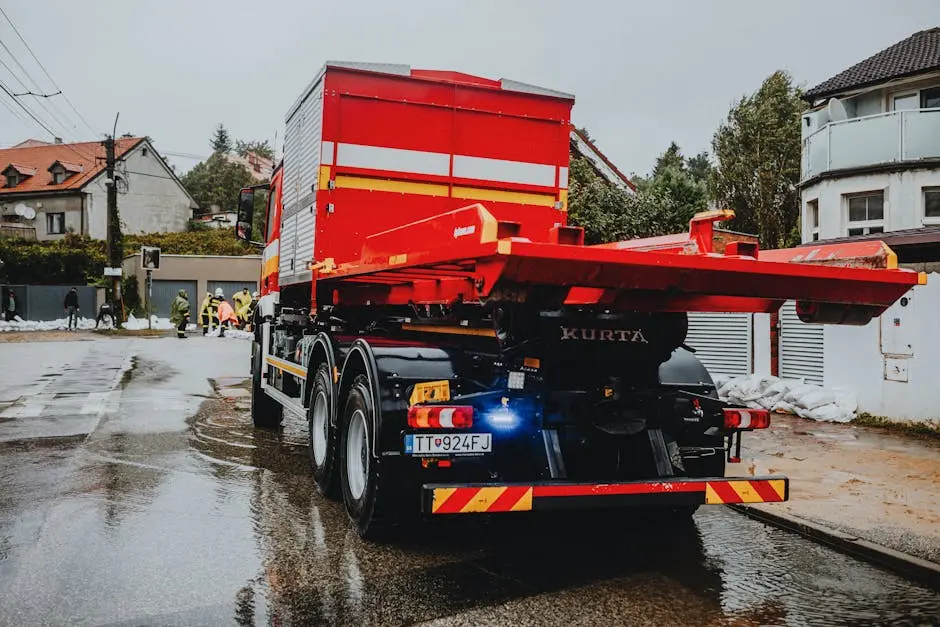
Knowing what to expect can alleviate any last-minute surprises. Ask the company to outline the towing process, and make sure you understand the steps involved. Inquire about the type of tow truck they will use, especially if your car might require specialized equipment. Understanding the entire procedure, from pickup to drop-off, guarantees peace of mind and prepares you for any necessary actions on your part.
This is also an opportunity to verify the identification of the driver who will be arriving, ensuring added security at the time of pickup. Reputable towing services will be more than willing to provide this information, fostering trust and reliability.
10. Follow Up After the Tow
Don’t forget to follow up with the towing service after your car has been removed. Confirm that everything was processed correctly and that your payment is on its way. Checking in allows you to address any discrepancies promptly should they arise. It also gives you an opportunity to provide feedback, whether positive or constructive, which can be beneficial for the service’s improvement. Services that excel in customer care will appreciate any insights you offer.
A follow-up also ensures that all documentation related to the transaction is correctly stored, providing you with complete peace of mind. Taking a moment for this final step wraps up the entire process neatly, leaving you with cash in hand and no car cluttering your space.