Is There a Difference Between Cash for Junk Cars and Cash for Scrap Cars?
 By 0 Comments
If you’ve ever wondered about selling your old car, you might have come across terms like ‘junk cars’ and ‘scrap cars’. While they seem similar, there are some differences to consider when determining which is right for you. In this FAQ, we’ll explore these differences to help you make an informed decision.
What Defines a Junk Car?
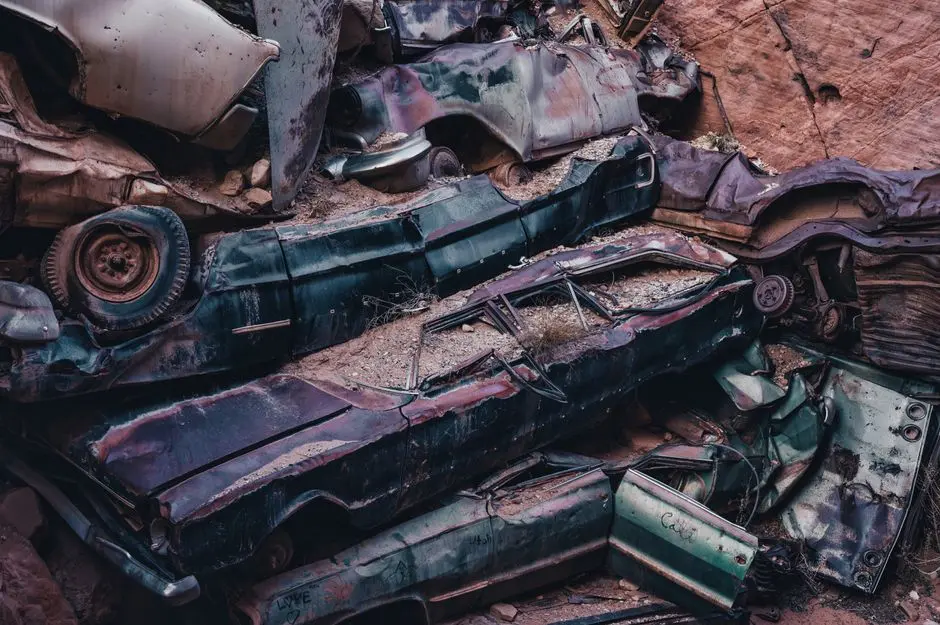
A junk car typically refers to a vehicle that is no longer suitable for driving due to extensive damage or age. These cars often have diminished resale value and are sold primarily for their parts or metal content.
Junk cars generally consist of vehicles that can’t or shouldn’t be driven anymore. They may have been involved in accidents, sustained weather damage, or simply have engine troubles that aren’t worth fixing. The defining feature of a junk car is its lack of usability as a drivable vehicle.
If you’re facing the decision of whether your car is ‘junk’, consider not only the cost of repairs but also the vehicle’s remaining lifespan. Sometimes repairs exceed the car’s value, turning it into a better candidate for parts harvesting.
What Classifies as a Scrap Car?
Scrap cars are vehicles primarily sold for their recyclable metal content. These cars may still run but are considered not worth repairing. The main value lies in the metal that can be reclaimed from them.
A scrap car is essentially seen as a bundle of recyclable materials. While it might still be operational, the cost of maintaining or repairing the vehicle far outweighs the benefits, thus making recycling the most logical option.
In many cases, cars become scrap when they reach the end of their lifecycle, often characterized by high mileage and recurring mechanical issues. The recycling process focuses on reclaiming steel, aluminum, and other metals that still hold economic value.
How Do You Determine the Value of Each?
The value of junk cars is often assessed based on usable parts and condition, whereas scrap cars are valued by weight and type of metal. Prices can vary depending on market demand and the car’s make and model.
When determining a junk car’s value, salvageable parts play a significant role. Items like catalytic converters, tires, and working electronics can sometimes be more valuable than the base metals themselves.
For scrap cars, the value is intrinsically linked to the fluctuating price of metal. Market trends can have a drastic impact on what you might receive for a car being sold as scrap, making timing your sale a potentially strategic move.
Who Should You Sell to?
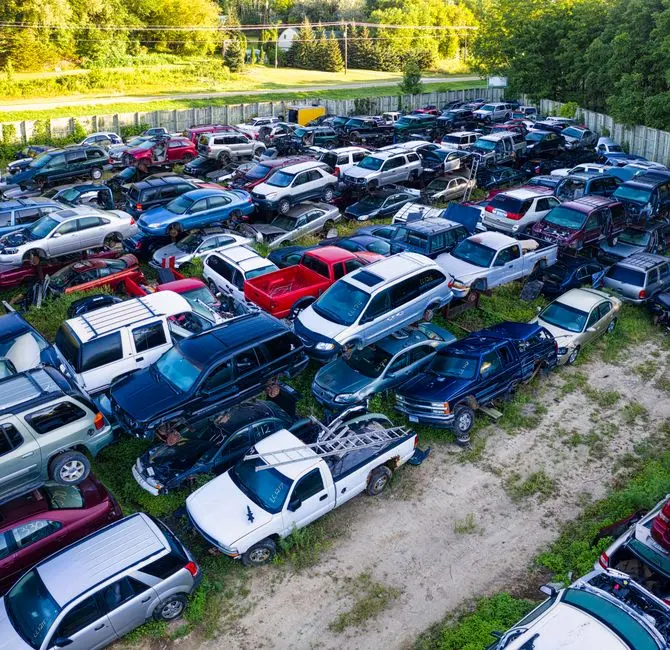
Junk cars can be sold to salvage yards or individuals looking for parts. Scrap cars are best sold to metal recycling centers. Investigating options for each will ensure you receive the best possible offer.
When selling a junk car, selecting the right buyer can influence your final payout. Salvage yards often pay more for cars with specific parts in demand, whereas online marketplaces can attract hobbyists or restorer buyers looking for rare parts.
If you have a scrap car, you might want to connect with local metal recycling facilities. Recycling centers often evaluate vehicles based on weight and may offer competitive prices compared to other buyers.
Making the Right Choice for Your Vehicle
Understanding the distinction between junk cars and scrap cars can help you choose the best option for your vehicle. Whether you’re looking to clear up space or make extra cash, knowing these nuances will aid you in maximizing your profit and minimizing hassle. When you’re ready to make a move, visit Cash for Cars New Jersey to get started.