By
By 
Selling a junk car can often be confusing, especially when it comes to understanding how its price is determined. Whether you’re new to the concept or looking to get the best deal, knowing the factors that affect the price can be incredibly beneficial. In this blog, we’ll walk you through the key elements that influence how much cash you can get for junk cars.

Age and Condition of the Car
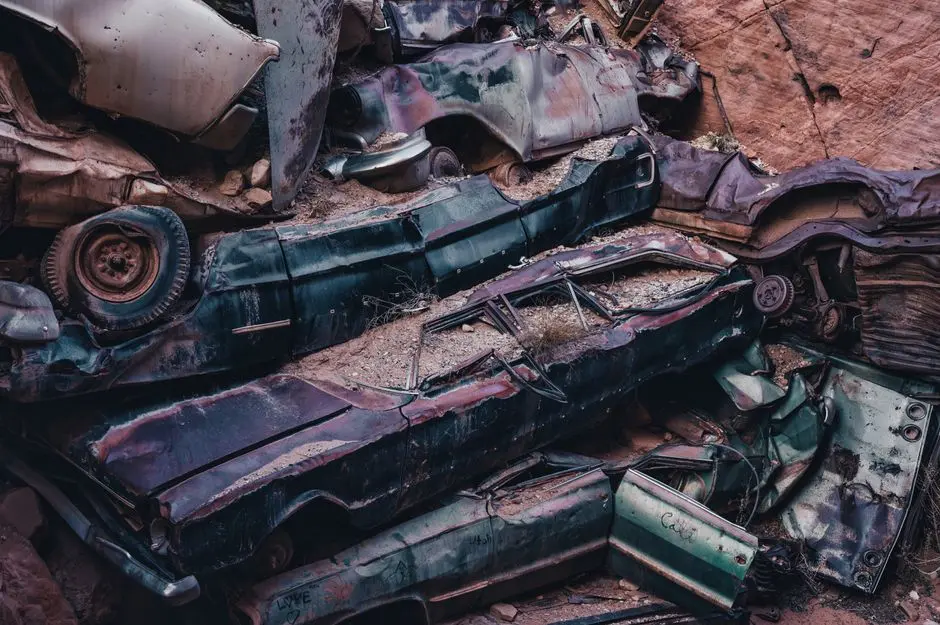
The age and condition of your junk car are primary factors in its valuation. Newer cars in relatively good condition will generally fetch higher prices compared to older, heavily damaged ones.
Don’t underestimate the value of even a well-worn vehicle, though. A junk car that’s inoperable but still has intact and functional parts can hold significant worth. The better your car’s condition, the higher the appraisal value will likely be. If your car is still running, you might get more money because the buyer can extract more functional components from it.
Cars that have been in serious accidents or have extensive damage might seem worthless, but they’re often not. The value can still be relatively high if specific parts and metals are recyclable. Sometimes, the overall structural condition of the car might allow for repair or restoration, which can also affect the final price.
Make and Model
Certain makes and models are more desirable in the junk car market. Popular brands or rare models may have higher value due to demand for their parts.
For instance, if you have an older model from a brand known for durable engines or rare parts, your junk car might be more valuable. Cars from brands like Toyota or Honda tend to hold up well over time, making their parts more sought after in the second-hand market. Similarly, if your junk car is a classic model, collectors might be willing to pay a premium for the parts.
Market demand also plays a critical role. If there is a current trend or higher demand for certain car brands, models, or parts, this can positively influence how much cash you can get for your junk car. To get the best advantage, consider looking into top junk car buyers that specifically seek out the make and model of your vehicle.
Current Scrap Metal Prices
The fluctuating market for scrap metal significantly influences the price of junk cars. When metal prices are high, you might get more cash for your vehicle, and vice versa.
Scrap metal prices are often influenced by global economic conditions. For example, during times of economic growth, the demand for metals rises, which can lead to higher prices. Conversely, during economic downturns, prices may drop. Metals such as steel, aluminum, and copper found in cars are recyclable, and their current market rates will have a substantial impact on your junk car’s overall value.
Keeping track of current metal prices can help you decide when to sell. Websites that track metal prices or even a quick search online can provide valuable insights into whether it might be better to hold onto your car for a bit or sell it immediately.
Working Parts and Components
If your junk car still has functioning parts, they can add to its overall value. Components such as the engine, transmission, and electronics can be resold or reused.
Not all parts are created equal when it comes to price. Major components like the engine and transmission are generally worth more than smaller parts or aesthetic features. However, elements like a working catalytic converter, which contains precious metals, can fetch a significant amount of money on its own. Details like functioning airbags, a working air conditioning unit, or even newer tires can add up, increasing the car’s value.
Before selling, it might be worthwhile to inventory the valuable parts that are still in working order. This will give you a better understanding of what you have and will help when negotiating with buyers. Knowledge is power; understanding the worth of your car’s components can ensure you’re not underselling it.
Location and Towing Costs
Where you are located can also impact the price. If the buyer has to cover substantial towing costs, it could reduce the amount of cash you get for your junk car.
Some buyers include free towing within their offer, while others might deduct the cost from what they’re willing to pay you. If you’re in an urban area, this might not be a significant issue as the car could be closer to junkyards or buyers. However, if you’re in a more rural location, the distances involved could potentially lower the bid.
Consider checking whether local junk car removal services offer free pickup. If they do, this can save you money and make the selling process smoother. Some companies may even offer better rates if there’s no need to move the car long distances.
Demand for Vehicle Parts
The local demand for specific parts can influence the price you receive. A higher demand for valuable parts means you could fetch a better price.
For example, if there’s a high demand for particular parts like the catalytic converter or engine components in your area, this can improve your cash offer. Different markets have different needs, and knowing what’s in demand can help you maximize your profits. This is particularly true for parts that can be hard to find, which can command higher prices.
To gauge demand, it can be useful to check local online marketplaces or forums where car enthusiasts and repair shops might be looking for particular parts. Staying informed about these trends can help you understand the real worth of your junk car in the market and potentially get the best offer available. Some platforms might help you understand the market value of your specific car parts.
Final Thoughts on Valuing Junk Cars
Now that you have a clearer understanding of the various factors that determine the price of junk cars, you can approach the selling process with greater confidence. While each car’s valuation might differ, keeping these key elements in mind will help you get the best possible offer for your vehicle.