By
By 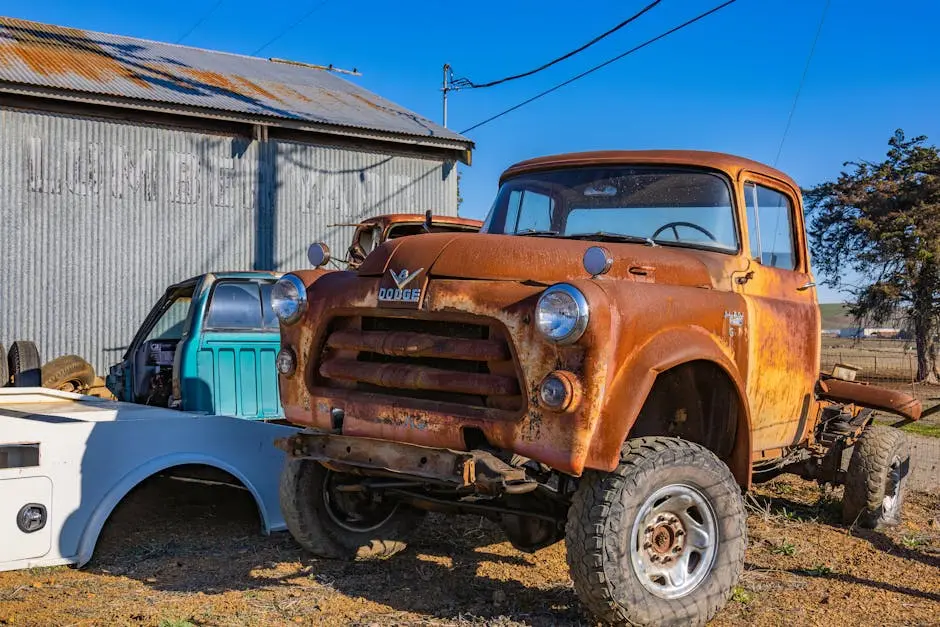
If you have a car that doesn’t run, you might be wondering if you can still get some cash for it. The good news is that there are several options available for selling your non-running vehicle. In this blog, we’ll explore these options and help you decide the best course of action to take.

Understanding Your Car’s Value
The first step in selling a non-running car is understanding its value. Even if it doesn’t run, your car can be worth something based on its parts or scrap metal. Tools like Kelley Blue Book offer insights into your car’s worth factoring in market demand and condition, so don’t just regard it as mere junk at first glance.
It’s pivotal to assess every component. While certain parts like the engine might be dead, parts such as a working stereo system or nearly new tires can still be valuable. Sometimes, a seemingly insignificant part like a mirror or a door handle can fetch a decent price if it’s in good condition. Conduct a detailed examination of the car to understand all possible value points.
Another aspect to consider is the world of car collectors. If your non-running car happens to be a model that’s rare or holds vintage value, collectors might pay handsomely for it or certain parts. Therefore, determining your car’s value isn’t just about what’s broken but also about what can be a treasure to someone else.
Exploring Junkyards and Salvage Yards
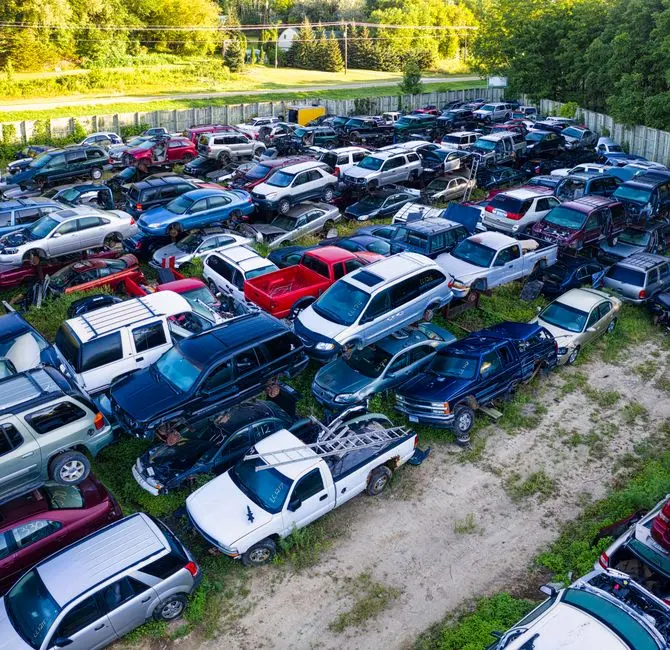
Junkyards and salvage yards are a popular choice for selling broken cars for cash. They often buy non-running vehicles to use for parts or scrap metal. The great thing about selling to them is that they aren’t concerned about the car running. Things like model, make, and weight are typically the main factors determining their offer.
Junkyards are plentiful, providing an opportunity to shop around for the best offer. They assess the vehicle’s metal and potential parts for resale. You might be surprised how much they are willing to pay for something you consider worthless. It’s advisable to call multiple yards, provide them details, and see what they offer you. Remember that some yards provide towing services, further sweetening the deal.
For a more eco-friendly approach, explore salvage yards equipped to safely dispose of fluid and hazardous parts. When you sell to operations that prioritize recycling, you play a part in reducing environmental harm typically associated with car disposal. So, each transaction contributes not just to your wallet, but to the planet’s well-being too.
Considering Online Platforms
Online platforms can connect you with buyers interested in your non-running car. Websites dedicated to selling junk cars can be a convenient option. You list the car with detailed information and wait for interested buyers to contact you.
Sites like Facebook Marketplace, Craigslist, and eBay Motors also provide a vast network of potential buyers. Remember to provide high-quality photographs and an honest description so the buyers know exactly what they’re getting into. If your car’s parts have significant demand, consider listing them separately.
While online platforms offer convenience, they also open doors to scams. Protect yourself by meeting locally in safe spaces, avoiding checks, and preferably opting for cash transactions. This way, you not only dodge potential fraud but can also cultivate a smooth-sailing selling experience.
Contacting Specialized Car Buyers
Some companies specialize in buying cars that don’t run. They often provide free towing and a fast quote, making the process simple. This type of buyer is particularly attractive because they handle most of the logistics themselves, which can save you considerable time and headache.
Such companies usually evaluate the car over the phone or online first before offering a price. However, confirm that their services are transparent and that they operate legally. Ideally, you would like to work with buyers who understand not just the worth of functional components but also the underlying scrap value.
Reaching out to specialized buyers simplifies the selling process drastically. They typically contact you with details once they have assessed your car over phone or through photos. This seamless method streamlines the selling process while ensuring you are fully aware of both the value and the subsequent steps involved.
Preparing Your Car for Sale
Even if your car doesn’t run, preparing it for sale by removing personal items and cleaning it can make the transaction smoother. Think of it as presenting a clean house for sale; first impressions do matter, even if the buyer looks past the exterior functionality.
Addressing minor cosmetic repairs could increase your cash offer slightly. Things like touching up exterior scratches or ensuring tires are properly inflated can foster trust with potential buyers. While these might sound petty, they demonstrate that you took care of the vehicle despite its non-running state.
Documentation is critical. Having your title and old maintenance records readily available not only speeds up the transaction but also boosts the buyer’s confidence in your reported history. This is yet another reminder that honesty and transparency pay off, especially when evaluating a car that refuses to roar back to life.
Turning Your Broken Car into Cash
Selling a car that doesn’t run may seem daunting at first, but with the right approach, you can turn your broken car into cash. From selling to junkyards to approaching specialized buyers, there are multiple ways to make the most out of your non-running vehicle.