By
By 
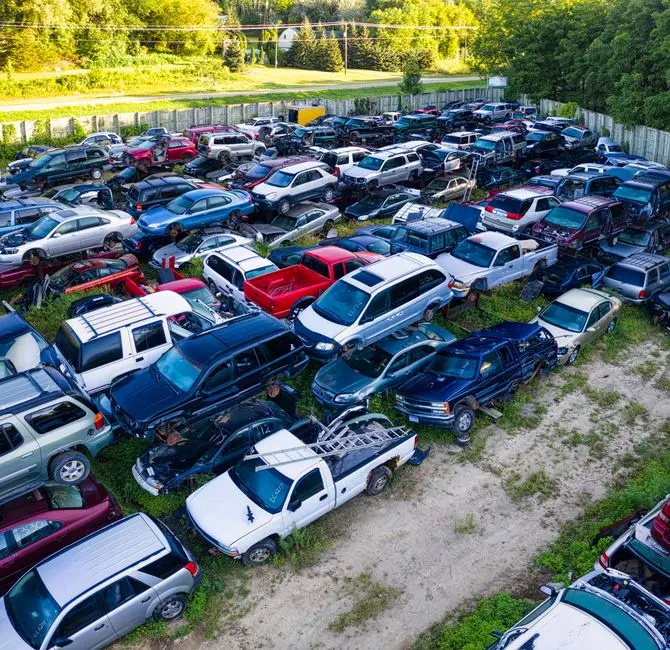
Selling a junk car in Philadelphia doesn’t have to be an overwhelming task. With the right approach and knowledge, you can turn that old clunker into cash without stress. This guide will walk you through everything you need to know about selling junk cars in the Philadelphia area, ensuring a smooth and rewarding experience.
Evaluating the Value of Your Junk Car
The first step in selling your junk car is understanding its value. Factors like the car’s make, model, age, and condition all play significant roles. In Philadelphia, there are numerous online tools and local resources to help you assess and estimate your car’s worth accurately. Additionally, many local auto appraisal services provide quick estimates based on the VIN and a few car photos. By knowing these metrics, you can confidently negotiate deals, ensuring you get the true value for your junk car.
When evaluating the value, don’t forget to consider any unique or rare parts that might add to the car’s worth. Sometimes, even in a non-working vehicle, parts such as airbags, catalytic converters, or premium wheels can fetch a reasonable price if they remain intact and usable. A little knowledge goes a long way, and understanding the worth of these components can help you maximize what you earn from your junk car sale.
Gathering the Necessary Paperwork
Proper documentation is crucial when selling a junk car. In Philadelphia, you’ll need to ensure that you have the title of the vehicle, and potentially other documentation like maintenance records or proof of ownership, to facilitate a smooth sale. If your car’s title is missing, you may be required to obtain a duplicate, which can sometimes be done online or through a local DMV office. Knowing these steps in advance can save time and prevent any last-minute hassles.
Along with the title, gathering any maintenance records is a great way to back up claims on how the car was used. These papers can serve as a valuable form of proof that the car was well-maintained, especially if you’re aiming to get a slightly higher price by emphasizing its previously cared-for condition. Buyers tend to appreciate transparency, which can translate into a quicker sale and better offers.
Choosing the Right Buyer
Selecting the right buyer is important to ensure a fair deal. Options include local junkyards, salvage yards, online platforms, and private buyers. Each option has its pros and cons, so it’s essential to do some research to find the best fit for your needs in Philadelphia. For instance, online car buying platforms offer convenience and can handle everything remotely but may charge service fees that reduce the final payout. On the other hand, visiting a local junkyard might require more effort but could result in a better deal if you’re able to negotiate in person.
Using local classified ads or social media platforms can unearth prospective private buyers who may have a particular interest in your vehicle’s make or model. Each buyer type offers different advantages; for example, private buyers might pay a bit more if they have a specific need for your car. We recommend assessing each to see which aligns the best with your priorities, whether that’s maximizing profit, minimizing hassle, or ensuring rapid sale completion.
Understanding the Transfer Process
Once you’ve found a buyer, understanding the transfer process is key. This involves preparing your car for pickup, completing the transfer of ownership, and canceling your insurance. It’s crucial to contact your insurance provider to notify them of your intention to cancel the policy once the sale is complete, and verify that no payments are due. Additionally, when the car is being collected, you’ll often need to remove the license plates beforehand to avoid any potential future liability.
Before completing a sale, take some time to clear out any personal items from your car. It’s surprisingly easy to forget things like sunglasses, electronics, or even important documents in glove compartments and pockets. To ensure nothing is left behind, make it a habit to conduct a thorough check of the vehicle before the handover. These steps are not just about mitigating liability; they represent your commitment to facilitating a seamless transition of ownership.
Avoiding Common Pitfalls
There are a few common pitfalls to be aware of, such as scams and underpricing. Being informed and cautious can help you avoid these issues. Familiarize yourself with the typical red flags and take necessary precautions to protect your transaction. For example, be wary of buyers who insist on paying through unconventional methods, such as wire transfers or checks from overseas accounts, as these can often be scams.
Another common pitfall is neglecting to compare offers from different buyers. Because the junk car market can be highly variable, it’s smart to get multiple quotes before making your decision. This gives you negotiating power to drive a better deal with potential buyers. Remember, a little due diligence can significantly improve your chances of achieving a successful and profitable transaction.
Making the Most of Your Junk Car in Philadelphia
Selling your junk car in Philadelphia can be a straightforward and rewarding process when you know the steps. By understanding the value of your vehicle, gathering the necessary paperwork, and choosing the right buyer, you can ensure a hassle-free transaction and a little extra cash in your pocket. Just remember to follow each step carefully and enjoy the simplicity of turning your old car into a useful gain. Explore more about how you can make the most of your vehicle sale by visiting our homepage.