By
By 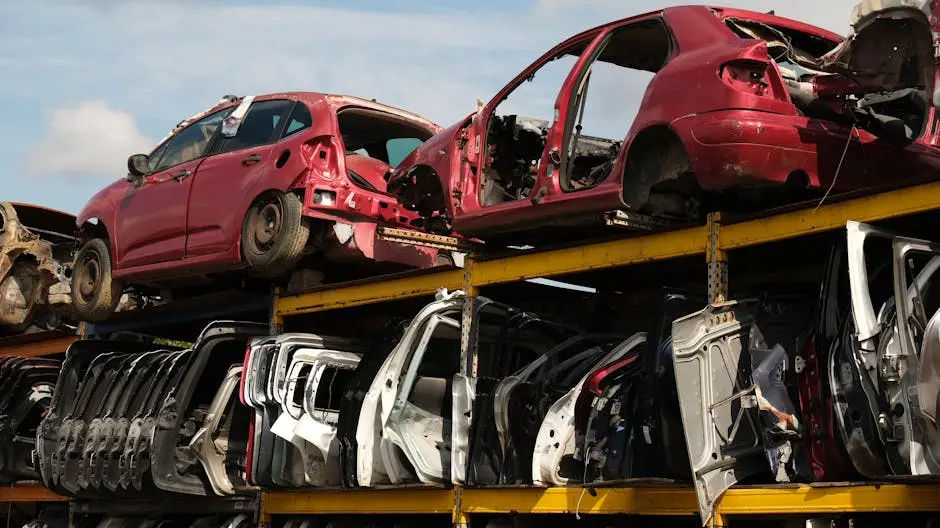
Selling an old, junk car can seem like a daunting task. But did you know that junk car buyers offer a simple and efficient process to turn your clunker into cash? In this blog, we’ll explore how these buyers manage to breathe new life into seemingly useless cars while ensuring you get a fair payout.
Understanding the Role of Junk Car Buyers
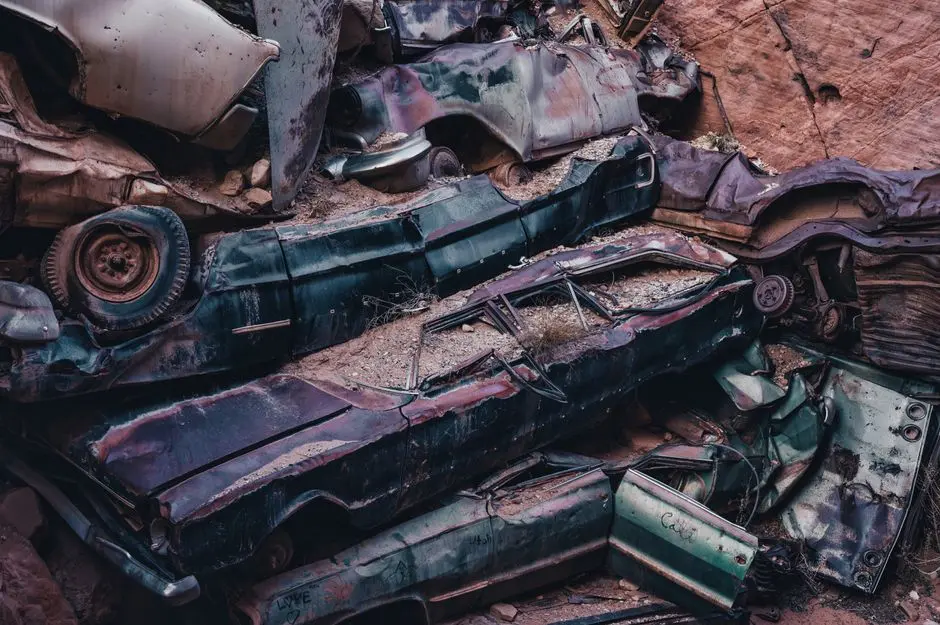
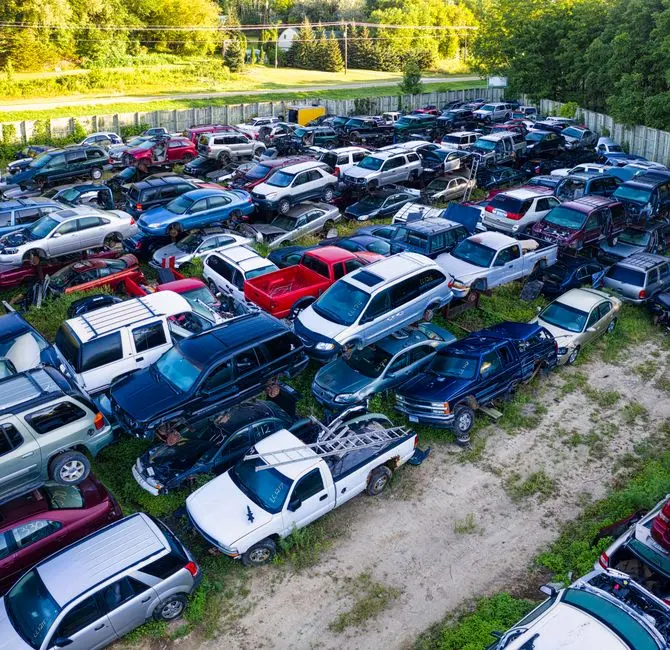
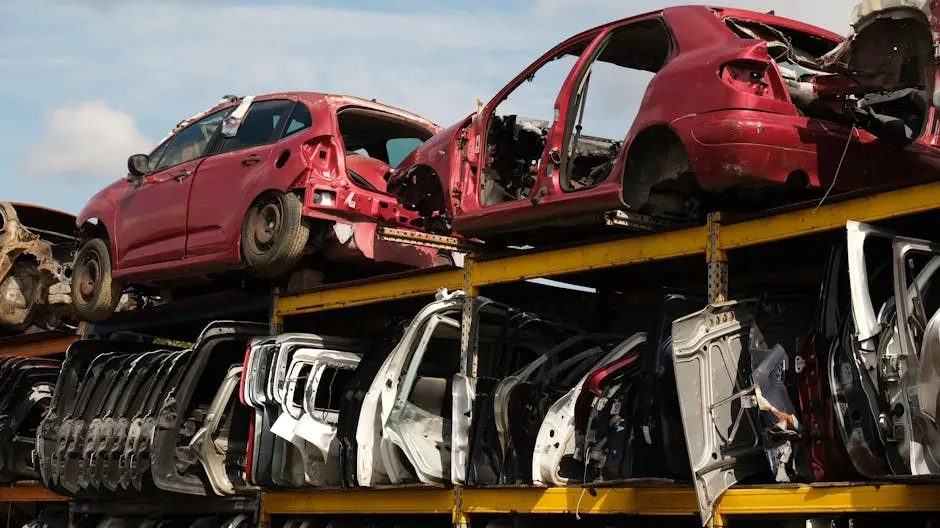
Junk car buyers specialize in purchasing vehicles that are no longer roadworthy. They operate as a vital link in the automotive recycling chain, ensuring that old cars are disposed of responsibly while extracting value from them. People often wonder what happens to their clunkers after they’re sold, and the process is more fascinating than you might think. These buyers are not just interested in the car as a whole. Instead, they see value in every bolt, every piece of metal, and every reusable part. This detailed recovery means that fewer resources are wasted, which underscores the importance of their role in promoting sustainable practices in the automotive industry.
In addition to environmental benefits, the work of junk car buyers supports local economies. Many buyers are local businesses that employ people within the community, creating jobs and providing vital services. By transforming unusable cars into sources of revenue, they contribute to the financial health of their areas. Furthermore, the materials they salvage are often sold to local auto shops, repair businesses, or recycling centers, supporting even more local enterprises. Thus, when you sell your junk car, you’re participating in a cycle of economic upswing, breathing life into community structures that rely on sustainable business practices.
The Valuation Process: How Junk Car Buyers Determine Worth
When assessing a junk car, buyers consider various factors such as the car’s make, model, age, and condition. This evaluation helps them determine a fair offer that reflects both the salvageable parts and the scrap metal value. Junk car buyers often use industry guides or specialized software to assess market rates for metal and parts, ensuring that their offers are both competitive and reasonable. Additionally, they might evaluate the demand for certain parts or metals in the area, which can affect the overall price. By understanding these dynamics, sellers can approach the transaction with realistic expectations, ensuring they are getting the best possible deal for their old vehicle.
Another important aspect of the valuation process is the buyer’s assessment of the car’s condition. Cars that have been maintained well, even if they are not drivable, might command a higher price due to the value of intact parts like the engine or transmission. Buyers often look for easily salvageable materials such as aluminum and steel which can be recycled efficiently. Understanding these factors can provide car owners with the clarity they need to make informed decisions. Consequently, this transparency is a crucial aspect of how junk car buyers operate, as it engenders trust and facilitates smoother transactions.
The Eco-Friendly Impact of Recycling Junk Cars
Recycling junk cars not only clears up your driveway but also benefits the environment. Junk car buyers ensure that usable parts are salvaged and recycled, minimizing waste and reducing the need for new manufacturing resources. Moreover, recycling metals from junked vehicles can significantly lower greenhouse gas emissions associated with mining and processing new materials. According to studies, recycling steel and other metals use significantly less energy than producing new metals from raw ore, emphasizing the environmental benefits of the practice. With landfills becoming increasingly overcrowded, responsible recycling initiated by junk car buyers is more critical than ever to maintain ecological balance.
In addition to reducing waste and conserving resources, recycling junk cars has a direct impact on reducing pollution. Vehicle fluids like oil, antifreeze, and brake fluids, if not disposed of properly, can contaminate soil and waterways. Junk car buyers adhere to strict environmental regulations to ensure these substances are processed correctly, protecting natural habitats and community health. As more consumers become eco-conscious, the role of junk car buyers as stewards of the environment becomes invaluable, showcasing a proactive approach towards sustainable automotive practices.
Steps to Selling Your Junk Car
Selling your junk car is a straightforward process. Reach out to a reputable junk car buyer, provide details about your vehicle, and receive an offer. Once you accept, they will often handle pickup and paperwork, making it hassle-free for you. The first step involves gathering important documents, like the car’s title, which many buyers require to ensure the transaction is legal and binding. It’s important to check local regulations concerning the sale of junk vehicles, as they can vary from one location to another. Doing your homework beforehand can streamline the process and prevent any future issues.
After you’ve arranged a pickup with the buyer, ensure to remove all personal items from the car and settle any remaining matters related to insurance or license plates. Many buyers guide you through this process, offering assistance and advice to ensure you meet all legal obligations. On the pickup day, most junk car buyers provide towing services at no extra cost, making it even more convenient to dispose of your junk car. This seamless procedure underscores the efficiency of working with these professionals, transforming what could be a cumbersome task into a quick and painless transaction.
Transform Your Clunker Today!
Turning clunkers into cash is a seamless process when you partner with professional junk car buyers. They not only help you clear up space but also offer a fair value for vehicles that seem worthless. If you have an old car sitting around, consider contacting a reputable junk car buyer and transform your idle asset into real money.