By
By 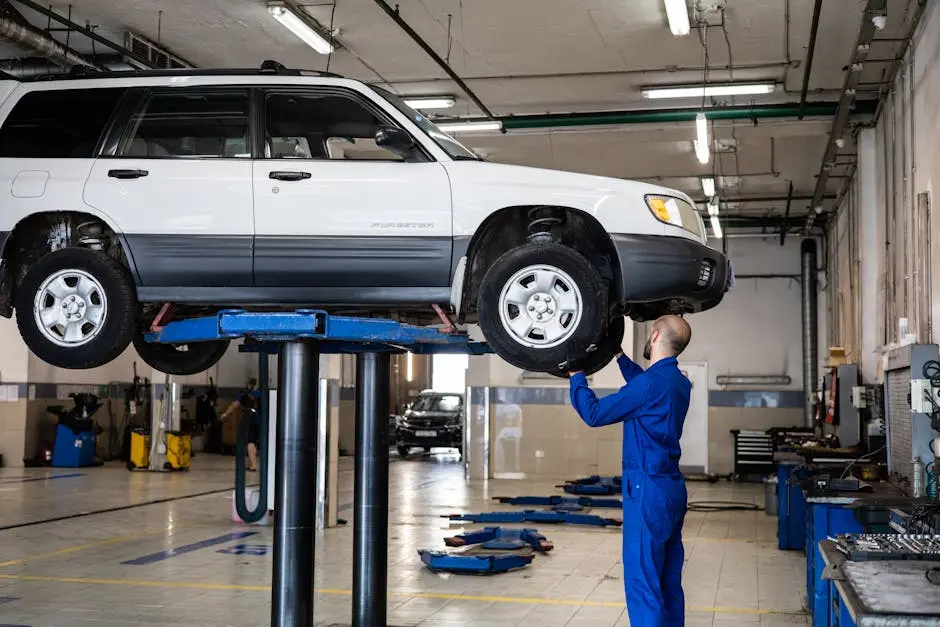
Have you ever found yourself with a car that’s not running and wondered what to do next? Removing a non-running car can be a daunting task, but it doesn’t have to be. In this FAQ, we’ll guide you through the steps of removing a car that won’t start, offering simple solutions and friendly advice.

Determine the Car’s Current Condition
Begin by evaluating the car’s state. Is it a simple breakdown fixable by a mechanic, or is it beyond repair? Knowing this can guide your next steps.
A thorough inspection by a mechanic can reveal parts that still hold value. If your car has been deemed unrepairable, consider selling non-running car parts individually to maximize your return.
Evaluate not just the mechanical state but also external factors like the bodywork, interior, and any additional features. These can often add unexpected value to the car.
Explore Repair Options
Consider whether repairing the car is feasible. Sometimes, minor issues can be resolved quickly and affordably, making the car drivable again.
Weigh the repair cost against the car’s market value. It’s essential to determine if the repair investment is practical, or if seeking buyers interested in parts is a better option.
If repairs are too costly, reach out to local repair shops to see if they are interested in purchasing the car for parts. This can be a quick way to offload the vehicle and recoup some money.
Understand Legal Requirements
Check local laws regarding non-running vehicles. Ensure you have the necessary paperwork ready, such as title and registration, before removing the car.
In many places, it’s required to clear any pending fines associated with the vehicle before proceeding with removal. Ensure your car title is up-to-date to facilitate a smooth process.
Notifying local authorities about your plan to remove the car, especially when transporting it to a scrap or junkyard, helps adhere to regional compliance standards.
Consider Selling or Scrapping the Car
If repairs aren’t an option, look into selling the car ‘as-is’ or scrapping it for parts. Both options can be beneficial depending on the car’s condition.
Evaluate offers from multiple salvage yards to ensure you’re getting the best deal for your non-running car. Their quotes will be based on the car’s weight and valuable components.
The decision to sell versus scrapping may hinge on whether there’s a collector’s market for your specific model. Some buyers look for specific parts or vintage models that may offer higher returns.
Arrange for Towing Services
If you decide to remove the car, contact a reputable towing company. Ensure they are equipped to handle non-running vehicles and ask about any associated costs.
Often, companies that specialize in buying cars that don’t run offer complimentary towing services. It’s an excellent opportunity to save on transportation costs.
For those looking to sell parts independently, make sure the vehicle is accessible for transport at the scheduled pickup time to avoid any extra charges.
Plan the removal day carefully, setting a clear path free of obstructions to make it easier for the towing service to access and retrieve the vehicle.
Can I Remove My Car?
Yes, you can remove your car, even if it’s not running. At Cash for Cars New Jersey, we specialize in taking vehicles in any condition off your hands. Don’t let your non-running vehicle collect dust in your driveway. Get in touch with us, and we’ll ensure a smooth and rewarding removal process.
The process is straightforward: we provide a no-obligation quote based on your car’s condition, offer free towing, and handle all paperwork legally. It’s not just about removing your car—it’s about making your life easier.
If your non-running vehicle has been a burden, acting now with our services ensures both trouble-free removal and immediate compensation. We aim to turn your car problem into a profitable solution.
Final Thoughts
Removing a non-running car can be a straightforward process if you know the right steps to take. By assessing your options and following the necessary legal procedures, you can ensure a smooth removal. Whatever method you choose, remember that there are always solutions available to help you deal with your non-running car.