By
By 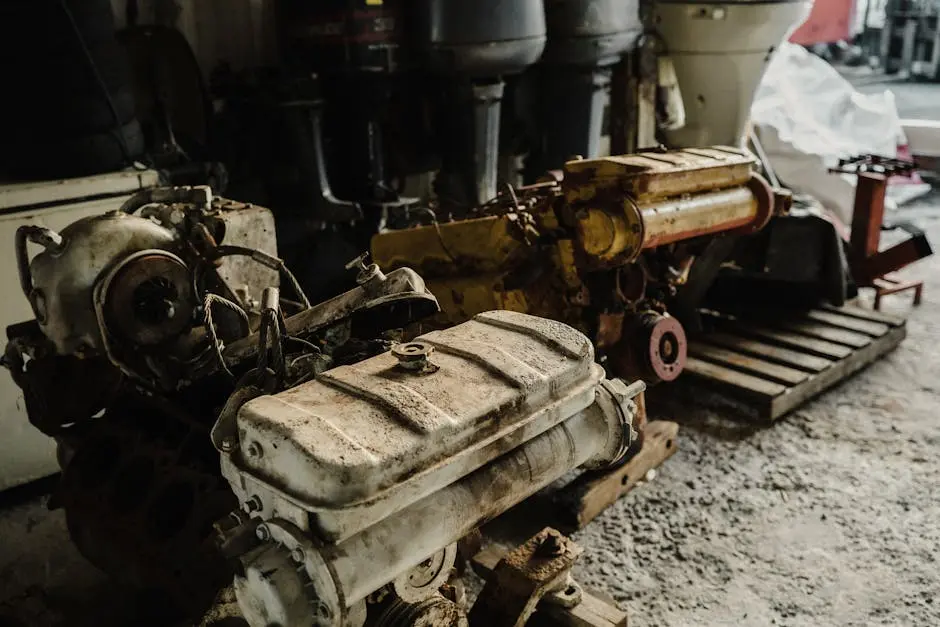
Selling your junk car can feel overwhelming, but with the right approach, you can turn that old clunker into a profitable transaction. In this guide, we’ll explore effective tips to help you get the most cash for your junk car quickly. Let’s dive into these valuable insights to boost your car-selling prowess.
1. Evaluate Your Car’s Condition
Assessing the state of your car is the first step. Consider factors such as age, damages, and operability, as these will influence the price.
Look closely at your vehicle’s mileage and any existing wear and tear. These details can significantly affect how much a potential buyer is willing to pay. It’s worthwhile to make note of any features that might still add value, such as a relatively new battery or tires in good condition. With a thorough evaluation, you can better position yourself in the negotiation process.
2. Research Current Market Values
Understanding the market will give you an edge. Look at how similar junk cars are valued to determine a fair asking price.
Start by browsing listings for vehicles like yours in online marketplaces and local classifieds. This will give you insight into the competition and help you set realistic expectations. You might be surprised at the variance in prices depending on the car’s model and year, as well as its current condition. Being well-versed in the current market trends ensures you’re neither underselling nor overpricing your junk car.
3. Gather All Necessary Documentation
Having the right paperwork, like the title and any service records, makes transactions smoother and more appealing to buyers.
Don’t underestimate the value of a smooth transaction. Ensuring that you have the car’s title not only makes you look reputable but also reassures potential buyers of a legitimate transfer. Besides the title, service records act as a transparent history sheet showcasing the maintenance your car has undergone, which can help increase buyer confidence and potentially bump up the offer.
4. Choose the Right Selling Platform
Various platforms offer different benefits. Decide whether you want to sell direct, go through a dealer, or utilize online marketplaces.
Each selling platform comes with its own set of pros and cons. For example, selling your junk car directly to a buyer might yield higher revenue, but it could also require more time and effort. Online marketplaces, on the other hand, expose your listing to a wider audience but may come with fees. Consider what matters more to you—speed, ease, or profitability—to choose the right platform for your needs.
5. Price Your Car Competitively
Set a price that reflects your car’s state and is comparable to similar listings, ensuring you attract interested buyers quickly.
While pricing your car, keep in mind that an overinflated price might deter buyers and slow the selling process. A competitive price will not only attract potential buyers but can also lead to quicker sales. Emphasize the unique value propositions of your car to justify your pricing, especially if it includes new parts or has rare features. Balancing realism with ambition in setting your price can make all the difference.
6. Optimize Your Car Listing
Include detailed descriptions and clear photos to provide transparency and increase buyer confidence.
A well-crafted listing can dramatically enhance your chances of selling your car. Start with a catchy title that summarizes your car’s make, model, and standout features. When writing the description, be thorough yet concise, pointing out the car’s highlights and any quirks or issues. High-quality photos taken from multiple angles can captivate potential buyers and offer an honest view, thus building trust without a single word.
7. Be Honest About the Car’s Condition
Transparency is key in building trust with potential buyers, ultimately resulting in easier negotiations.
Avoid overselling or glossing over trouble areas in your car listing. When buyers sense honesty, they’re more likely to buy. Provide accurate details regarding the car’s faults, such as a non-functional air conditioner or a persistent engine light. By being upfront, you lower the chances of post-sale disputes and set clear expectations, facilitating a smoother negotiation phase.
8. Consider Selling Parts Separately
If your car is inoperable, selling off parts individually might yield higher returns than selling it as a whole.
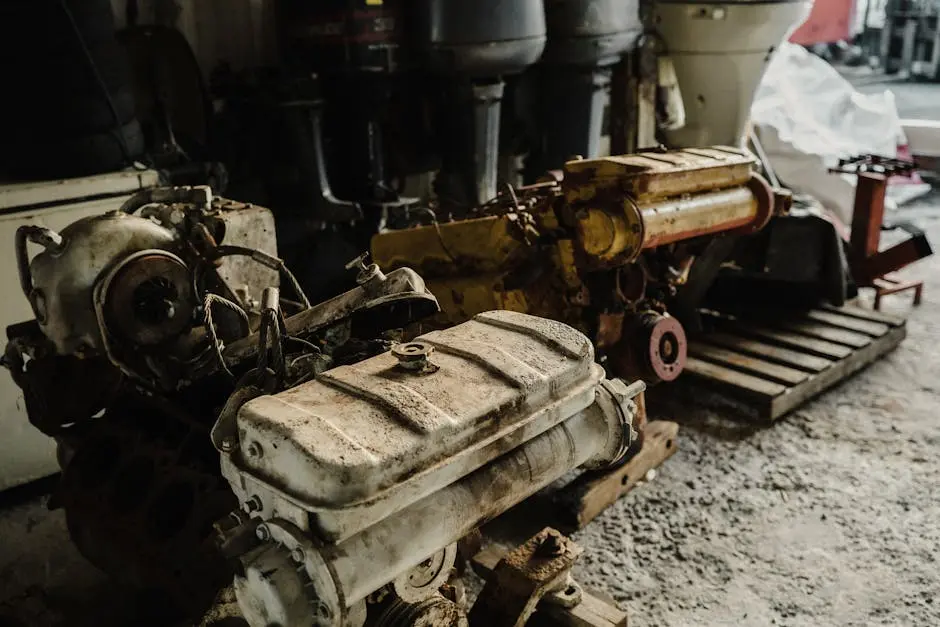
Sometimes, breaking your car down into its components and selling them separately can be more lucrative. Parts such as the engine, transmission, and newer tires tend to have a good market demand. Specialist buyers or car enthusiasts may offer a better price for distinct parts than a single buyer willing to purchase the entire junk car. Though this approach may require extra work and more time, the financial upside might be worth it.
9. Engage with Local Junkyards
Contact junkyards that often purchase used cars to evaluate offers and see if this option gets you top dollar.
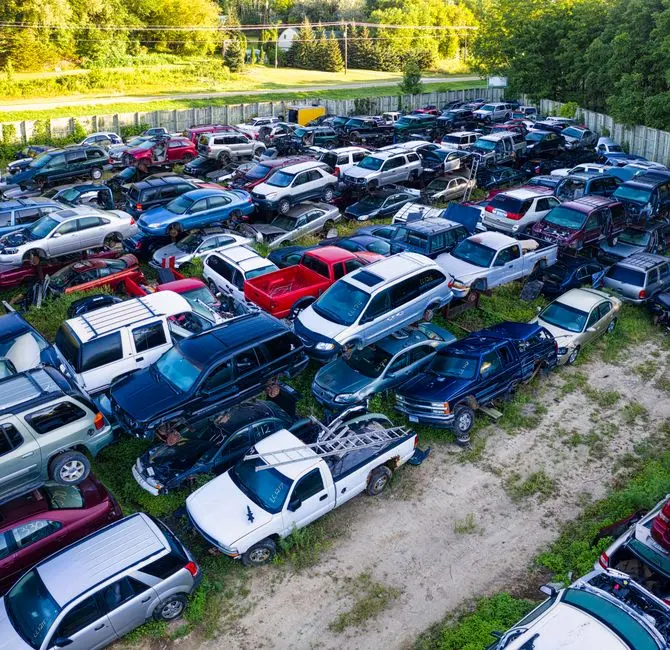
Visiting local junkyards can be a straightforward way to offload your junk car, especially when speed is of the essence. Junkyards specialize in buying cars for parts and scrap metal, which might offer you immediate cash without the hassle of finding individual buyers. Make sure to compare offers from different junkyards, as rates for scrap metal and parts can vary widely. This simple step could increase your chances of striking a better deal.
10. Be Prepared to Negotiate
Negotiation is natural in sales. Be ready to discuss your car’s value and close the deal with confidence.
Prepare yourself for back-and-forth once interest arises in your car. Researching ahead of time and knowing your price floor—your lowest acceptable price—can give you confidence. Effective negotiation is about finding common ground while ensuring you don’t undersell yourself. Fortify your stance by being able to articulate the value of key components and providing data supporting your asking price.
11. Ensure Convenient Payment Terms
Decide ahead on acceptable payment methods to avoid complications during the transaction process.
Clarify your expectations when it comes to payment methods, whether it’s cash, cashier’s check, or a digital transaction platform. This prevents any last-minute confusions and builds trust. Let prospective buyers know your preferences upfront, ensuring both parties are in agreement before closing the deal. Convenient payment terms can simplify the latter part of the sales process, reducing stress on both sides.
12. Know the Best Time to Sell
Certain times of the year may be more profitable for car sales. Do a little homework to find the peak selling period for your specific car type.
Timing can be a significant factor in selling your junk car. For example, if your vehicle still runs and has working air conditioning, summer might command higher demand and better prices. Conversely, selling parts might have a steadier market year-round. Research trends or consult car sales forums to identify optimal selling times, allowing you to capitalize on market cycles.