By
By 
Scrapping your car can seem like a daunting task, especially if it’s your first time. Whether it’s an old vehicle taking up space or a car that’s beyond repair, knowing how to turn it into cash quickly is a skill worth having. In this guide, we’ll explore the steps to efficiently scrap your car while maximizing your return.
Understanding Why You Should Scrap Your Car
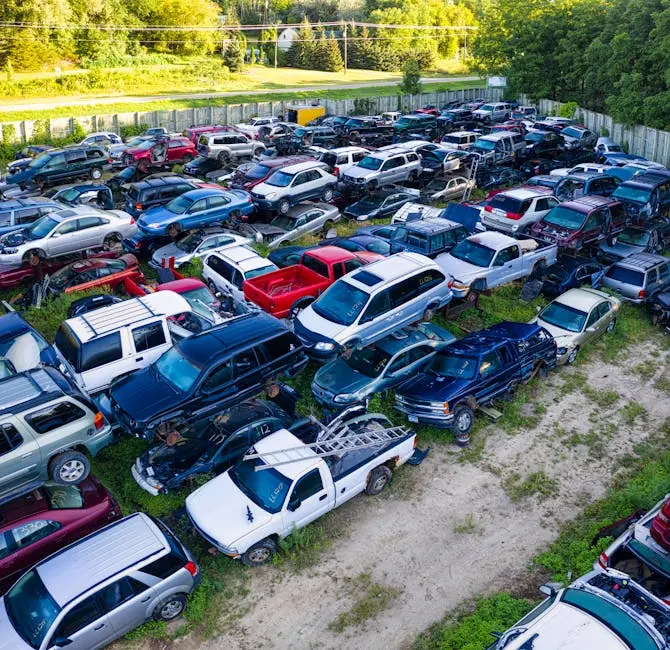
Deciding to scrap your car can arise from various circumstances. You might be dealing with a vehicle that’s become a financial burden due to exorbitant repair costs. Alternatively, your car might simply be too old and unsafe, posing a risk to you and others on the road. Whatever the reason, acknowledging the need to scrap my car is the first step in what can be a financially beneficial process. Moreover, scrapping your car can be an environmentally responsible choice. Cars left to rot can leak harmful substances into the environment, making scrapping a safer alternative. This choice is not only a way to declutter and make cash but also contributes positively to environmental conservation efforts by ensuring proper disposal and recycling of vehicle parts.
Some people also choose to scrap their car as a way of accessing the rising market value of scrap metal. As global economies fluctuate, the demand for recyclable materials can create an inviting opportunity for those with old vehicles. In times when metal prices are high, scrapping can offer lucrative returns, providing an additional financial incentive. Watching market trends can inform you when it’s the perfect time to scrap your car for the best possible return.
Preparing to Scrap: What You Need to Know
Before you even think about taking the final trip to the scrapyard, preparation is key. First on your list should be gathering all necessary documentation — especially the vehicle’s title, proving ownership, is crucial for a smooth transaction. Without it, many scrapyards might refuse to purchase your vehicle or offer significantly less. Knowing your local regulations around car scrapping will also help you avoid fines or legal issues.
Cleaning out your car can uncover hidden treasures right beneath your seats or in the glove compartment. Personal items like forgotten tools, spare change, or documents may still be inside. More than just tidying up, this process can turn into an unexpected revenue stream if you stumble on a valuable item, like a misplaced mobile device or a toolset. Not to mention, many scrapyards refuse cars with trash content inside. A thorough cleaning ensures you leave personal effects behind and potentially discover resaleable items.
Assessing Your Car’s Value
Assessing your car’s worth isn’t just about appearances; it’s about understanding the value within. Conduct a detailed assessment of its working and non-working parts. Remember, some components could be worth more than the scrap value of the car itself. Parts like alternators, tires, and bumpers are often in high demand and can fetch decent prices separately. It’s wise to get multiple appraisals to prevent unscrupulous buying by over-eager scrapyards capitalizing on your lack of knowledge.
Engaging a trusted mechanic can provide you with an objective view of your vehicle’s condition and help elucidate which parts are most valuable. An expert appraisal can highlight areas that you might overlook, leading to maximizing your return. Considering factors like mileage, remaining lifespan of functional parts, and even the car make can each add different value aspects to the equation.
Choosing the Right Scrapyard or Service
Navigating the sea of options when it comes to selecting a scrapyard can seem overwhelming at first. However, the key is to identify a service that suits your specific needs. Some scrapyards specialize in specific vehicle types or offer better rates for different manufacturers, so it pays to do some research. Start by reading reviews for local facilities, focusing on those with a track record for fair pricing and reliability. Enlist the advice of friends or family who have successfully scrapped their cars.
Additionally, services offering to handle dismantling and removal themselves can significantly simplify the process, often offering free towing. Evaluating your options thoroughly can save you both time and money in the long run.
The Scrapping Process: Step-by-Step
Understanding the scrapping process puts you in control and helps reduce the risk of unexpected surprises along the way. Typically, once you’ve chosen a scrapyard, they’ll arrange for the collection of your vehicle if you prefer, or you can deliver it yourself to potentially secure a slightly better price. Once they’ve inspected and arrived at a final price, most will offer immediate cash or bank transfer options. Be sure to confirm the method in advance to avoid misunderstandings.
Pay close attention to documentation during the transaction, such as receipts or certificates of destruction. These papers are critical in proving that you’ve legally scrapped your car, absolving you from future responsibilities related to the vehicle. In case the yard requires you to sign over your title, make sure you do so following legal procedures. Being prepared with paperwork ensures a seamless, lawful scrap process.
Additional Tips for Maximizing Your Return
If your goal is to extract the most money from your old vehicle, consider salvaging parts that still have value. Components such as catalytic converters, sound systems, and well-maintained seats can often be sold to other car owners or repair shops. Each car is unique, and so is its potential for earnings—so evaluating individual parts for resale can be a lucrative side benefit.
Increasingly, many people have turned to online marketplaces to sell car parts, often yielding higher returns than local stores. However, ensure you’re informed about the sale potential of parts before pricing them to avoid losing value.
Another tactic is leveraging competitive offers. By getting quotes from multiple scrapyards, you can engage in negotiations to secure a better deal. When sellers sense competition, they’re more likely to improve their offer. Approach scrapping like any other major transaction, with research and homework to guide you. Not only does this strategic negotiation yield maximum profit, but it reinforces your decision to handle the process independently and resourcefully.
Turning Scrap into Cash: A Simple Process
Scrapping your car can be a straightforward process when you know the right steps to take. By following this guide, you can clear out your space and make some quick cash in the process. Remember to gather your documents, assess your car’s condition, and choose a reputable scrapyard or service. With these tips, you’re well on your way to a no-hassle scrapping experience.