By
By 
New Jersey, with its bustling cities and scenic landscapes, is seeing an innovative way of tackling environmental concerns through scrap car removal. This eco-friendly service not only clears out unwanted vehicles, but also plays a significant role in environmental preservation. Let’s explore how this process benefits the environment and the community in New Jersey.
Understanding the Impact of Scrap Cars on the Environment
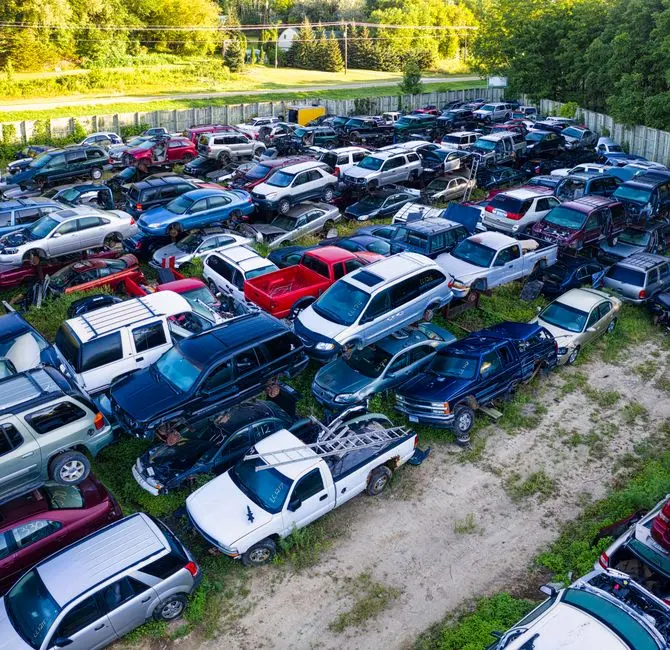
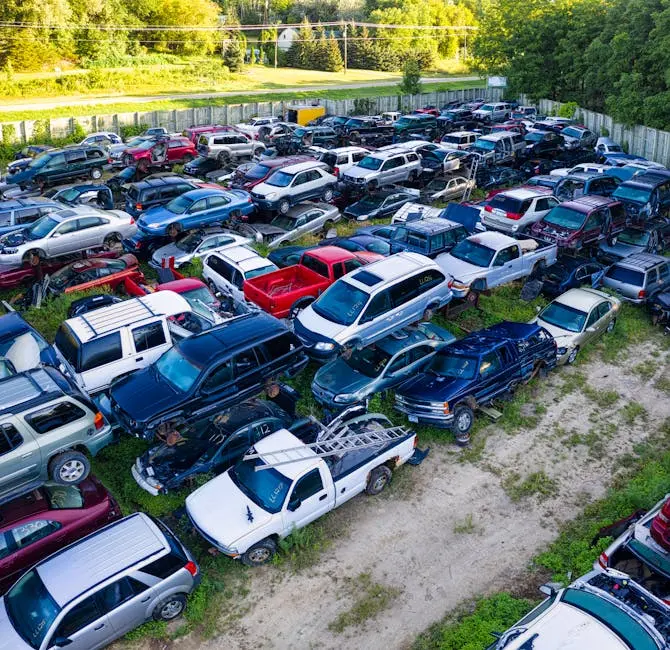
Old, unused cars can become environmental hazards. They often leak harmful fluids and release toxic pollutants, contaminating soil and waterways. By understanding these impacts, we can appreciate the importance of scrap car removal as an eco-friendly solution.
The number of abandoned vehicles across New Jersey is rising, posing a significant threat to our natural surroundings. These cars, sitting idle for years, leak oil, brake fluid, and other hazardous substances, which seep into the ground, compromising soil quality and harming local ecosystems. Over time, rusting metal bodies break down, releasing harmful heavy metals like lead and cadmium into nearby water sources. Through scrap car removal, these environmental hazards can be eliminated, ensuring the protection of New Jersey’s precious landscapes and communities.
The Recycling Process: Transforming Scrap Cars into Resources
Scrap car removal isn’t just about disposing of an old vehicle. It’s about recycling its parts and materials, like metal, glass, and plastic, which can be reused in new products. This process reduces the demand for new raw materials, conserves energy, and minimizes landfill waste.
When a car is scrapped, it embarks on a remarkable journey of transformation. The recycling process begins by safely draining harmful fluids, followed by carefully dismantling parts for reuse. Metals from the car’s frame are shredded and melted down to be repurposed into new steel products, substantially reducing the need for mining virgin materials. This not only saves energy but also diminishes the carbon footprint associated with raw material extraction. Meanwhile, other components like glass and plastic are meticulously recycled, contributing further to the reduction of waste. Through these extensive recycling efforts, New Jersey is paving the way for a more sustainable future.
Moreover, recycling scrap cars helps in conserving resources and energy. By repurposing components, we drastically cut down on the energy consumption typically required to manufacture new parts from scratch. This energy efficiency translates into fewer greenhouse gas emissions, making a tangible impact on combating climate change. As communities become more aware of the advantages of being part of the recycling chain, they not only safeguard the environment but also inspire industries to adopt greener practices.
Reducing Carbon Footprint and Pollution
By removing and recycling scrap cars, New Jersey is helping to lower its carbon footprint. Recycled car parts consume less energy compared to producing new parts, resulting in fewer emissions. Additionally, strong emission standards in processing help further reduce pollution levels.
The environmental conservation process linked to scrap car removal significantly contributes to lowering pollution in multiple ways. By extracting reusable parts and metal alloys rather than manufacturing them new, the recycling process emits considerably less CO2. Notably, using recycled metals can lead to a 74% reduction in energy consumption according to industry studies. The adoption of these recycled components not only optimizes energy efficiency but also aids in reducing the overall carbon footprint associated with the automotive industry.
Creating Space for Better Use
Scrap car removal helps clear congested spaces, transforming them into areas that can be repurposed for community use or green initiatives. This not only improves the aesthetics of neighborhoods but also provides opportunities for sustainable development.
In densely populated regions of New Jersey, finding viable land for community projects or green spaces is increasingly difficult due to cluttered, unused vehicles. As these eyesores are cleared through responsible scrap car removal, significant opportunities to reimagine urban spaces emerge. These cleared areas can be transformed into vibrant parks, community gardens, or even solar farms, aligning with the state’s commitment to sustainability and environmental well-being. Moreover, revamping these spaces enhances property values and fosters community pride, highlighting the multifaceted benefits of effective vehicle management.
Supporting the Local Economy
The scrap car removal industry supports local businesses and jobs in New Jersey. From towing services to scrap yards, the industry provides a range of employment opportunities while contributing to the economic growth of the state.
Beyond environmental benefits, the scrap car removal sector is a linchpin for economic activity. By engaging with local towing companies and recycling centers, the industry creates a ripple effect that strengthens community businesses and generates jobs. According to local economic reports, the auto recycling industry supports over 100,000 jobs nationwide, indicative of the potential scale of growth for New Jersey’s job market. This industry not only fuels the local economy but also encourages innovation, as businesses continually develop more efficient and effective recycling techniques. The synergy between environmental sustainability and economic vitality manifests through the collaborative efforts of these local entities.
Embracing a Greener Future with Scrap Car Removal
Scrap car removal is more than just a convenience; it is an environmentally responsible choice that contributes to a healthier planet. By recycling metals, reducing pollution, and freeing up space, New Jersey can embrace a cleaner, more sustainable future. Join this green movement and make a difference today.