By
By 
Understanding how the condition of your car affects its cash value can help you maximize your quote when selling. In this guide, we’ll explore the crucial factors that buyers consider and how you can ensure you get the best possible offer.
Mechanical Health: The Heart of Your Car’s Value
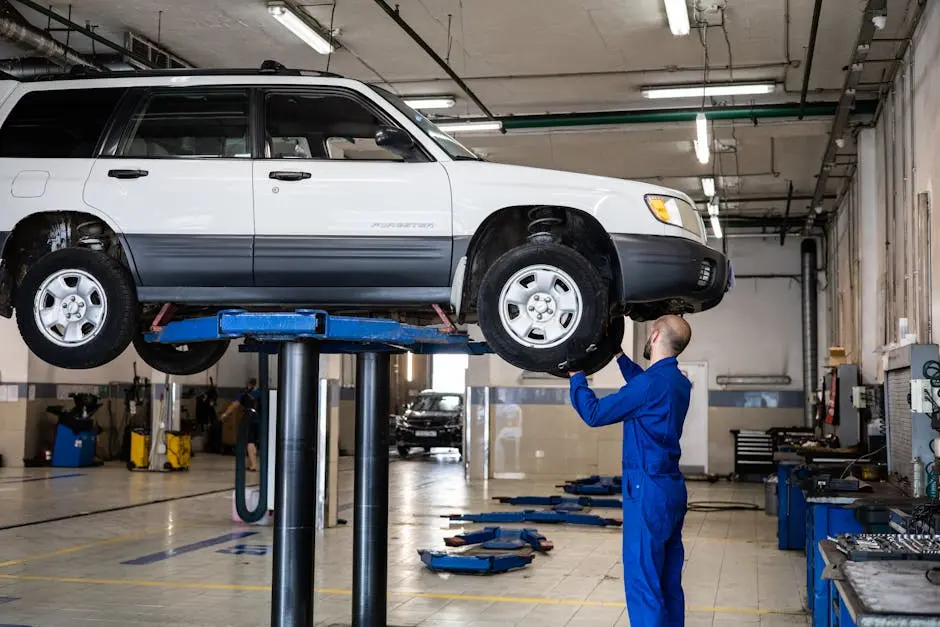
Mechanical issues such as engine and transmission health are paramount when assessing your car’s value. Buyers will examine these aspects closely, as they determine the vehicle’s overall longevity and safety.
When you choose to sell your car, you are essentially offering a machine for service and reliability. Thus, the engine is the powerhouse that drives value. Regular maintenance such as timely oil changes and necessary repairs enhances engine function and can lead to a better cash for car quote.
Brakes, battery, suspension, and secondary systems like air conditioning contribute to mechanical integrity. Ensuring all these parts function optimally portrays a vehicle that’s not only safe but efficient. Consequently, this impression significantly elevates how much you can receive when selling.
Impact of Exterior Condition
The exterior condition—including paint, bodywork, and rust—affects the visual first impression. Maintaining a clean, well-maintained exterior can boost your car’s desirability and quote.
A car’s exterior is much like a book’s cover. It tells the story of the car’s life—whether it’s been cherished or neglected. A vibrant, damage-free body indicates meticulous ownership, undoubtedly increasing its attractive score among buyers.
Consider addressing minor damages promptly. Repairs such as fixing dents or scratches and polishing the paint can give your car a fresh look. Doing so not only seals a good first impression but inherently raises the valued estimate you might receive.
Understanding Interior Wear and Tear
The interior’s condition, including upholstery and dashboard, contributes to the comfort and final selling price of your car. Buyers appreciate a tidy and damage-free interior, which can elevate your quote.
Just like we adorn our homes’ interiors, a car’s cabin should exude comfort and style. A well-kept interior offers a pleasant driving experience which buyers are likely to pay extra for.
Routine cleaning goes a long way in maintaining the interior. This includes vacuuming carpets, cleaning seats, and ensuring the dashboard remains shiny and unblemished. Such preventive measures add to the resale value.
Mileage Considerations
Mileage is a crucial factor in a car’s valuation. Lower mileage often equates to less wear and tear, making your car more attractive to potential buyers.
Buyers often see cars with high mileage as indicative of extensive use and potential for future mechanical issues. Therefore, a vehicle with reasonably low mileage can command a higher quote due to expectations of durability and less immediate maintenance.
Regular servicing and adherence to recommended service schedules can also offset high mileage perceptions, ensuring maximum value for your vehicle even as the odometer climbs.
The Role of Maintenance Records
Having clear, detailed maintenance records can reassure buyers of consistent care and attention, thus positively influencing the cash offer for your car.
Records of regular servicing, part replacements, and necessary repairs form a documented history that builds trust with buyers. They see evidence of a well-maintained vehicle that promises fewer surprises.
Think of maintenance records as a cheat sheet demonstrating your car’s health history. A complete maintenance log underscores the care invested in the vehicle, usually resulting in a more favorable cash for car quote.
Maximize Your Car’s Cash Value
In conclusion, maintaining your car’s condition can significantly impact the cash you receive during a sale. By understanding and addressing key factors like mechanical health, exterior damage, and interior cleanliness, you can boost your car’s appeal and maximize your cash for car quote.