By
By 
Selling a junk car might seem daunting, but with the right steps, it can be a smooth and rewarding process. Whether your car no longer runs or it’s just taking up space, knowing how to sell it in New Jersey can get you the most value for what might seem like just scrap. In this guide, we’ll walk you through the essential steps to make the process hassle-free.
1. Evaluate the Condition of Your Car
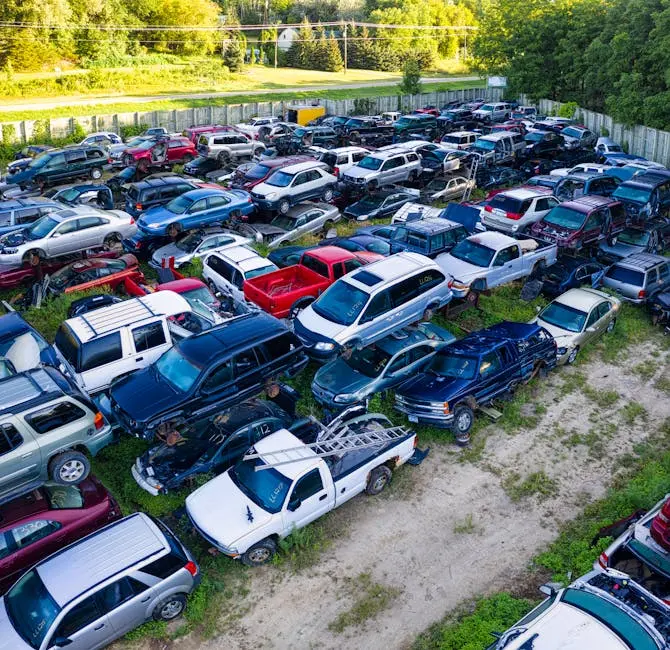
Understanding what you’re working with is the first crucial step. Consider the car’s make, model, year, and current condition to assess its potential value. You might be surprised to find that certain models have high demand even when they’re no longer in prime condition. It’s essential to catalog any damages, missing parts, and whether the car still runs, as this will affect your selling options.
Beyond the surface, consider getting a professional evaluation. A mechanic’s insight can reveal valuable parts you hadn’t considered. Plus, a detailed report can serve as leverage when you’re negotiating with potential buyers, showing that you’ve done your homework.
2. Research New Jersey Laws and Regulations
Familiarize yourself with local laws regarding the sale of junk cars. Ensure you have all necessary paperwork, including the title, to avoid any legal hiccups. New Jersey has specific requirements for transferring ownership and handling vehicles without titles, so understanding these beforehand simplifies the process.
Additionally, some counties or cities might have their own regulations about disposing of certain vehicle parts or emissions standards even for junk cars. It’s worth checking New Jersey’s motor vehicle regulations for a smoother transaction.
3. Gather Important Documentation
Collect all relevant documents such as the car’s title, registration, and any service records. These can support your transaction and attract potential buyers. If your car is older and you lack some paperwork, all is not lost—services exist to help replace or reissue these documents.
Service records are particularly valuable as they offer a snapshot of the car’s maintenance history. Buyers are often willing to pay more for a vehicle with a transparent past, even in junk conditions.
4. Set a Realistic Price
Aim to set a price that reflects the car’s current market value and condition. Online valuation tools and a bit of market research can guide you in setting an appropriate asking price. The Kelley Blue Book and NADAguides offer great starting points.
Moreover, think about seasonal pricing adjustments; certain vehicles may be in higher demand based on the season, affecting their value. For instance, SUVs might see price hikes in winter, while convertibles lose some of their charm during chilly seasons.
5. Choose the Right Selling Method
Decide whether to sell directly to a junkyard, a car-buying service, or via private sale. Each option has pros and cons, so choose the one that best suits your needs and timeline. Junkyards offer instant cash for cars but might not give you top dollar. Conversely, selling privately could fetch a higher price but may take more time and effort.
Don’t overlook online platforms specifically for junk cars. These marketplaces can connect you with buyers beyond your local area, potentially boosting how much you can get for your vehicle. Utilizing a mix of methods can maximize your chances of a successful sale.
6. Prepare Your Car for Sale
Even if it’s a junk car, a quick clean can make it more appealing. Remove personal items and give it a basic wash to increase its attractiveness. Cleaning the car not only prepares it visually but also ensures you don’t accidentally leave behind valuable personal items before the sale.
Additionally, making small repairs could increase your car’s value significantly. Fixing minor issues or replacing inexpensive parts might make it easier to sell and potentially fetch a higher price.
7. Advertise Effectively
Use online platforms to reach potential buyers. A well-crafted ad with clear photos and honest descriptions can boost your chances of a quick sale. Highlight any unique features or rare parts that might appeal to collectors or repair enthusiasts.
Local classifieds, car forums, and social media groups are also great options for spreading the word. Be sure to use keywords such as ‘sell junk cars’ to ensure your ad appears in relevant searches.
8. Negotiate With Confidence
Be prepared for negotiation. Understand your minimum price and be ready to discuss terms to ensure you get a fair deal. It helps to research common negotiation tactics and strong points about your car’s condition to reinforce your asking price.
Remember, patience is key. While it might be tempting to accept the first offer, waiting for the right buyer can result in a better price. Use each interaction as a learning experience to refine your sales approach.
9. Finalize the Sale
Once a deal is reached, complete the sale efficiently by signing off on necessary paperwork and arranging for the car’s removal. Some buyers or removal services might offer free towing, so it’s worth asking during negotiations to save on expenses.
Keep all receipts and documents related to the sale in case you need to refer back to them for tax purposes or if questions arise in the future. This ensures both parties are protected and the transaction is legally sound.