By
By 
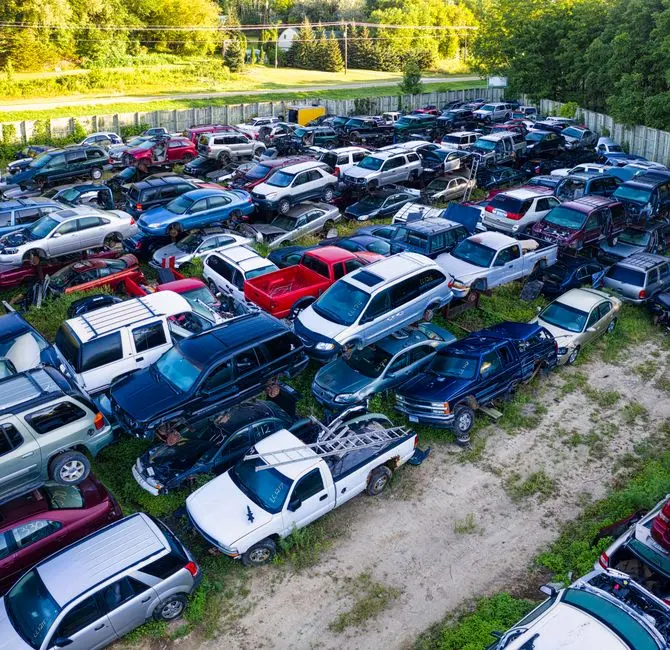
Selling a junk car can be a daunting task, surrounded by numerous myths that can make the process seem even more complicated than it actually is. In this blog, we’ll debunk some common misconceptions and provide you with straightforward truth so you can confidently make informed decisions.
1. You Need Perfect Condition Documents
Many believe that without impeccable documentation, selling a car is impossible. However, while some paperwork is necessary, there are ways to address missing documents effectively. For instance, sellers can usually obtain a duplicate title from the DMV or provide a notarized bill of sale as proof of ownership. Some buyers are flexible and willing to work with sellers who lack certain documents, as long as enough ownership proof is present. Remember, the goal is to showcase the car’s history and legitimacy, not necessarily possess all the original papers.
2. Junk Cars Have No Value
It’s a common myth that junk cars are worthless. In reality, they can hold significant value, especially for parts or scrap metal. Many junkyards and buyers seek specific components, which might be out of production, making your car’s parts invaluable. Additionally, the metal from older cars can also fetch a good price, especially when steel and aluminum demand is high. This misconception often leads to people underestimating the true worth of their vehicle, missing out on potential revenue by dismissing offers too quickly.
3. Only Professionals Can Sell Junk Cars
Some assume that you need to be an automotive expert to sell a junk car. On the contrary, selling is straightforward and accessible to anyone willing to undertake a bit of research. By understanding the process and taking advantage of resources such as guides and online forums, sellers can easily navigate the market. Many platforms provide step-by-step instructions, emphasizing transparency and support. Such resources break down the intricacies, transforming what seems like a daunting task into a simple one.
4. Towing Costs Make Selling Not Worthwhile
People often worry that towing fees will obliterate any profit from selling a junk car. In truth, many buyers provide free towing services. This benefit is an incentive to sellers, allowing them to maximize their profits without the burden of transportation costs. It’s an easy and convenient option, simplifying the sale process. Sellers should inquire about towing services upfront, ensuring there’s clarity on what expenses, if any, they need to bear.
5. Online Sales Are Not Reliable
Selling cars online is often perceived as risky. However, many reputable platforms exist, offering secure and efficient services to sell junk cars. These websites offer secure payment methods, buyer verification systems, and transparent transaction processes. With these platforms, sellers can reach a wider audience, increasing the likelihood of a successful sale. The key is choosing reputable platforms and reading reviews beforehand for reassurance.
6. Immediate Payment is Not Possible
Another myth is that payment is delayed or problematic. In truth, many buyers offer on-the-spot payment as part of their service. Direct and immediate cash transactions help build trust and streamline the process efficiently. This quick payment turnaround can be particularly appealing to those who need immediate funds or want to avoid lingering financial transactions over a sale.
7. Selling Takes a Long Time
Contrary to popular belief, the process can be completed quickly, often within a day, if you choose the right buyer. The key is in preparing all necessary details and paperwork beforehand, which can expedite both evaluation and negotiation processes. Many experienced buyers are equipped to finalize transactions swiftly, recognizing that sellers value efficiency and urgency in the sale of their junk cars. A little preparation can significantly shorten the selling timeline.
8. You Can’t Sell Without a Title
While having a title simplifies the process, losing it doesn’t make selling impossible. There are alternative methods to prove ownership. Bills of sale, registration documents, or title bonds can serve as sufficient evidence of possession, allowing the sale to proceed. It’s a matter of exploring options available in your state, knowing regulations, and collaborating with a buyer who understands your situation.
9. All Junk Car Buyers Are Untrustworthy
There’s a misconception that all buyers are out to trick sellers. However, many reputable companies offer transparent and fair transactions. Researching companies by checking reviews, certifications, and customer feedback is crucial in identifying trustworthy buyers. Transparent operations, clear contracts, and defined prices help assure sellers of the credibility and reliability of the transaction, ensuring trust in every step of the selling process.
10. Repairing the Car Increases Value
While repairs might seem like they increase a car’s value, they often cost more than the resulting increase in sale price, making them impractical. Instead, selling in its current state can yield similar or even better returns by targeting the right buyers who specifically look for parts or specialized needs. It’s about strategically understanding the market and knowing when repair investments do not translate to a substantial resale increase.
11. All Buyers Offer the Same Price
Prices vary significantly among buyers. It’s essential to get multiple quotes to ensure you’re getting the best deal for your junk car. By understanding market dynamics and recognizing demand for specific parts, sellers can compare offers, maximizing their gains. Being proactive about obtaining evaluations broadens seller insights about what’s fair and what actually aligns with market trends, ensuring an equitable sale.
12. You Must Sell Locally
Local sales aren’t mandatory. The internet allows you to reach buyers from various locations who may offer better deals. Online platforms expand the market reach, giving sellers more competitive offers and better overall terms. This broader network increases the chances of finding the most suitable buyer, whether nearby or across state lines.
13. Small Cars Have No Buyers
Even small cars, which might seem less valuable, find interest from buyers seeking specific parts or scrap value. These niche markets recognize the importance of sourcing components that are otherwise unavailable. Sellers should capitalize on these unique demands, understanding that each car, regardless of size, holds potential value to the right buyer.
14. Junk Cars Can’t Be Donated
Although selling is popular, donating is also an option, offering benefits such as tax deductions while supporting a good cause. Many charities accept junk cars, utilizing funds raised from their sale for their initiatives. This makes it a win-win option, combining philanthropy with tax benefits for conscientious car owners looking to contribute positively to the community.
15. Every Junkyard Offers the Same Service
Different junkyards provide different levels of service. It’s crucial to evaluate customer service, reliability, and convenience when choosing where to sell. Factors such as ease of transaction, offered price, towing fees, and environmental considerations can vary greatly, making it crucial for sellers to assess their options and choose a service that aligns with their priorities and expectations.